
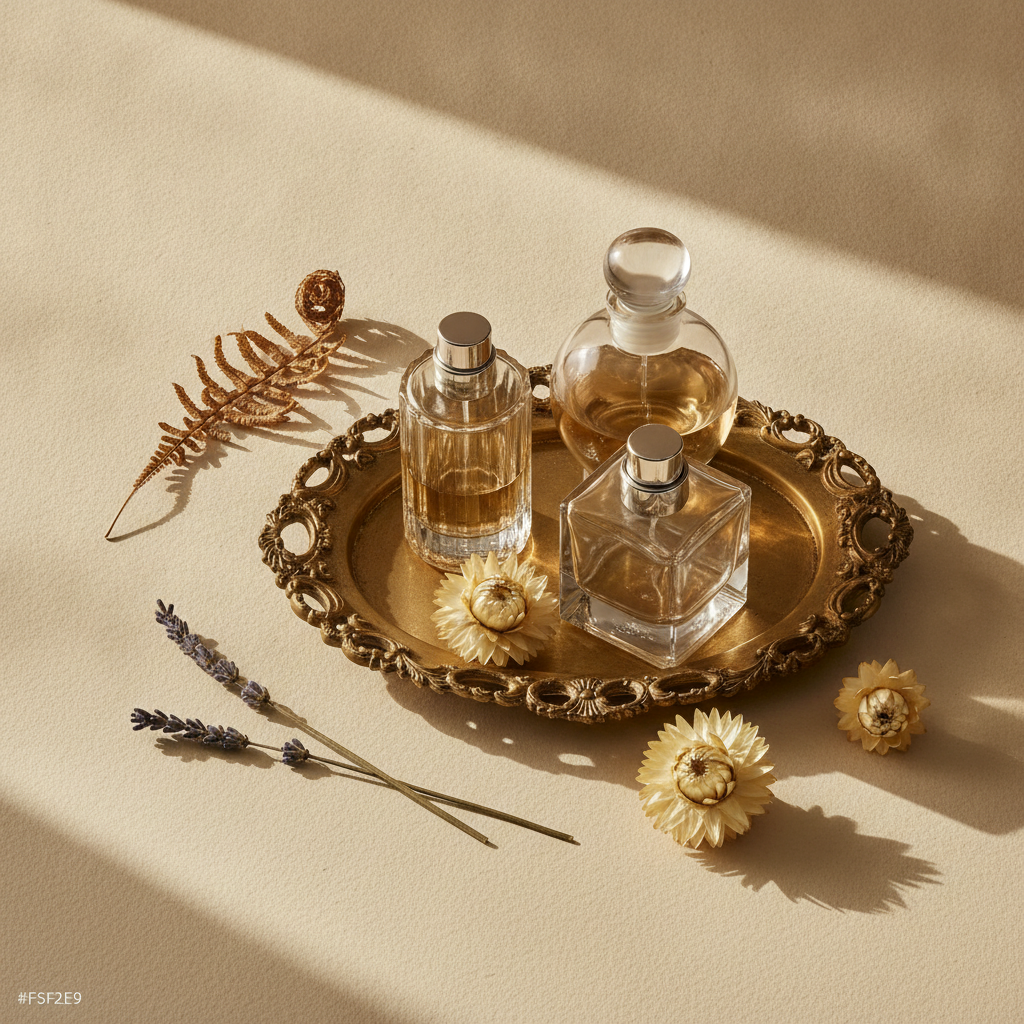
You sprayed your perfume this morning — the same one you've worn for months. You know you're wearing it. But somewhere around mid-morning, it just… disappeared. You can't smell it on yourself at all. You lean close to your wrist and get almost nothing.
So you spray more.
This is one of the most common and quietly maddening things about loving fragrance, and it has a simple explanation. Your nose didn't stop working. It just stopped bothering to tell you about something it already knows.
Your Brain Tunes Out What Stays the Same
Smell works differently from your other senses. With sight or sound, your brain keeps processing stimulation even when it's constant. With smell, your brain actively filters out stable odors in your environment — including the ones coming off your own skin.
It's called olfactory adaptation, and it's a feature, not a bug. Evolutionarily, it helped us notice new smells (potential dangers, food sources) rather than getting distracted by everything that was already there. Your brain marks a familiar, constant scent as background noise and moves on.
When you first spray a perfume, the signal is loud and new. Twenty minutes later, your nose has registered it, filed it, and stopped reporting back. You're still wearing it — other people can still smell it on you — but you've essentially gone nose-blind to it.
This is different from true olfactory fatigue, which is what happens to perfumers or fragrance testers who smell dozens of scents in quick succession. Their smelling ability gets temporarily overwhelmed — like a muscle that's been worked hard. That's real but temporary, and it's not what most of us experience on an ordinary day.
What most of us experience is adaptation. And there's one habit that speeds it up dramatically.
Wearing the Same Perfume Every Day Makes It Worse
The more familiar your nose is with a scent, the faster it adapts. When you wear the same perfume every day, your brain learns that signal deeply. It's not just that you adapted today — it's that your nervous system has essentially pre-filed that scent as "always present, no action needed." You start the day already partway adapted.
This is why the bottle you bought six months ago and wore constantly smells like almost nothing to you now, but a friend who smells it for the first time says it's gorgeous. It hasn't changed. Your relationship with it has.
The Coffee-Bean Trick Doesn't Really Work
You've probably heard that smelling coffee beans between fragrances "resets" your nose. It's a nice ritual and it's everywhere in department stores, but the evidence behind it is pretty thin.
The idea is that coffee's strong, distinct smell gives your nose something else to process and clears the olfactory palette. A few studies have challenged this directly, finding that smelling fresh air or even just taking a break works just as well. The coffee bean may simply be a ritual pause — which does actually help, because rest helps — but it's not doing any special chemical work.
If you're testing fragrances at a counter and your nose feels overwhelmed, the best reset is time and fresh air. Step outside for a few minutes. Smell your own skin — a clean, unscented part of your arm. Let things settle.
What Actually Helps
The single most effective fix for adaptation is rotation. Keep two, three, or four fragrances in your regular lineup and move between them. Your nose can't pre-adapt to a scent it hasn't smelled in a few days. Come back to something after a break and you'll often be surprised — the thing you thought had gone quiet blooms back to life.
Beyond rotation, timing matters. Your nose is freshest right after you wake up and haven't been exposed to much yet. That's the best moment to appreciate a new bottle or to really evaluate how something smells on you.
The other trick — and this one genuinely works — is to write down your first impression immediately after you spray, before adaptation sets in. That window, roughly the first ten to fifteen minutes, is when you're actually smelling the fragrance rather than registering its presence. Your perception is vivid, specific, and real. By the time you've had your coffee and started your day, it's gone.
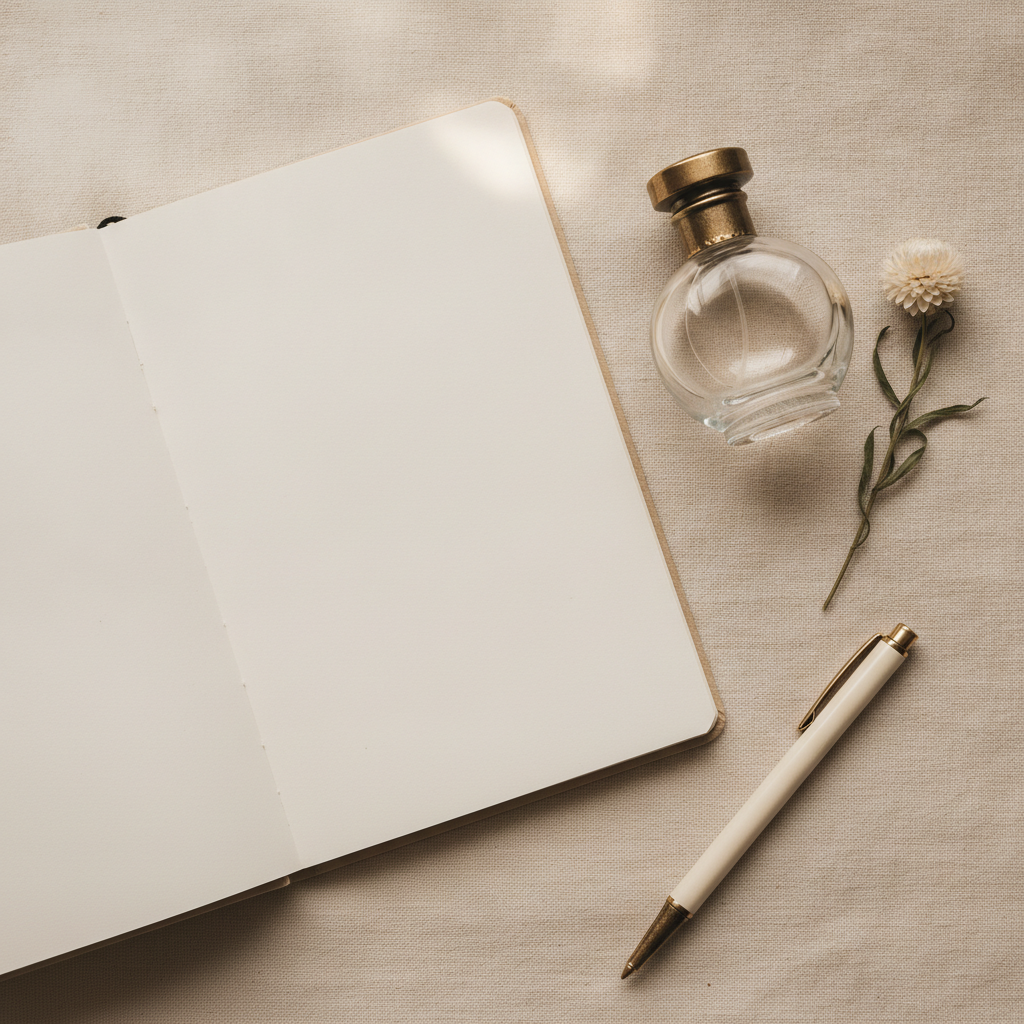
Those early impressions are also the most honest record of what a fragrance actually does. The drydown, the first hour, the moment it shifts — you notice all of this when it's new. You stop noticing it once it's familiar. A note written in that window is worth more than anything you'll remember later.
Your Journal Remembers What Your Nose Forgets
This is exactly why scent journaling is more useful than it might sound. It's not just a catalog of what you own. It's a record of those first impressions — what you smelled, what it reminded you of, how it made you feel — before your brain filed it away.
Come back to an entry from three months ago and you'll often read something that surprises you. You noticed things then that you can't access now, simply because you've adapted. The journal holds onto the version of the fragrance your nose met when it was still paying full attention.
If you've been wearing the same perfume on repeat and wondering why it's gone quiet — that's adaptation, not a flaw in you or the bottle. Rest it, rotate something else in, and when you return to it, try to catch that first impression and write it down. Your nose will come back to it like it's meeting an old friend for the first time again.
TheScentStyler gives you a place to keep those impressions — not just as a list, but as a record you can actually return to. The fragrance hasn't changed. But the way you remember it matters more than you'd think.
Keep reading The Drydown
The Drydown publishes a new piece most days. If you’d like them quietly delivered, leave your email — no noise, just the writing.
One email per new piece. Unsubscribe anytime.