-
·
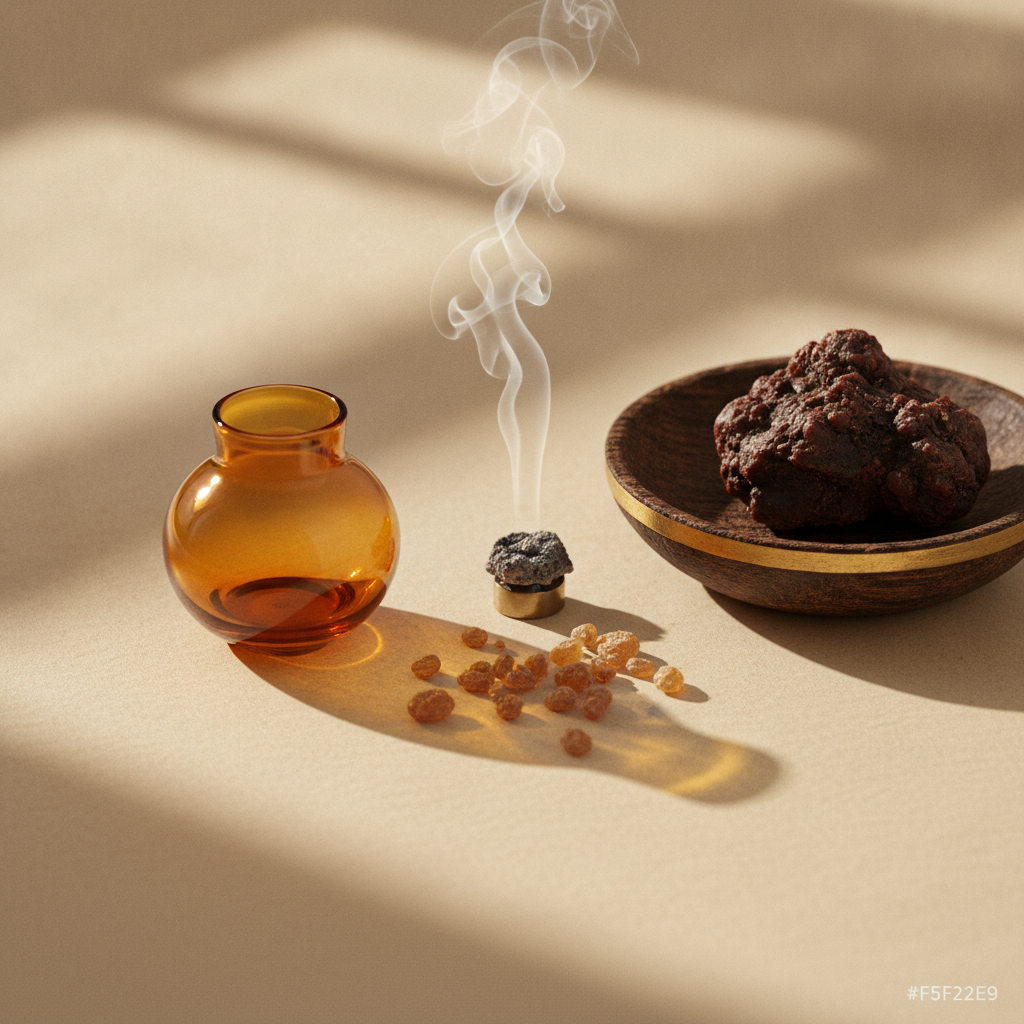
What Does Incense Smell Like in Perfume? A Plain Guide for Cold Weather
Wondering what incense smells like in perfume? Here’s a plain guide to frankincense, myrrh, and benzoin — and why incense notes belong in cold-weather scents.
-
·
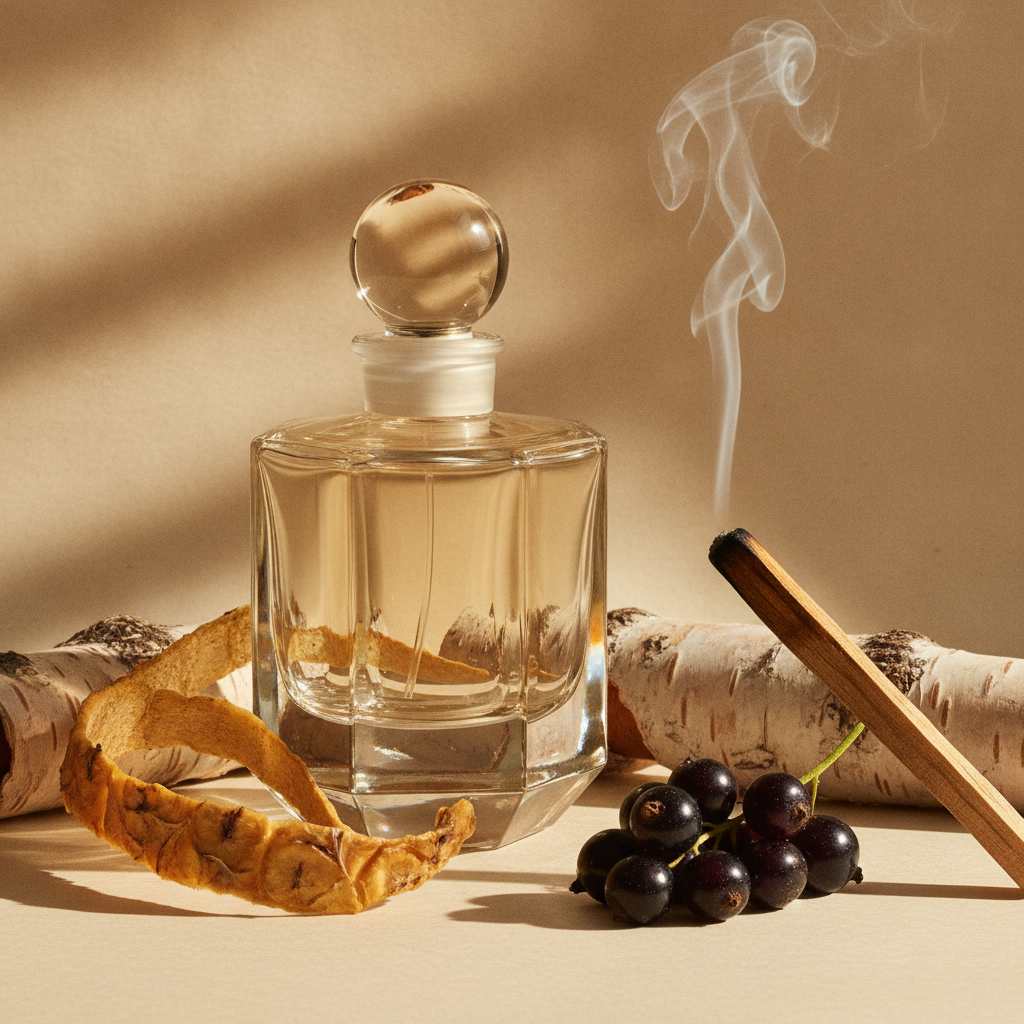
Is Creed Worth It? What You’re Actually Paying For With Aventus
Is Creed Aventus worth the price? We break down the heritage story, the batch variation debate, and what the liquid actually smells like — honestly.
-
·
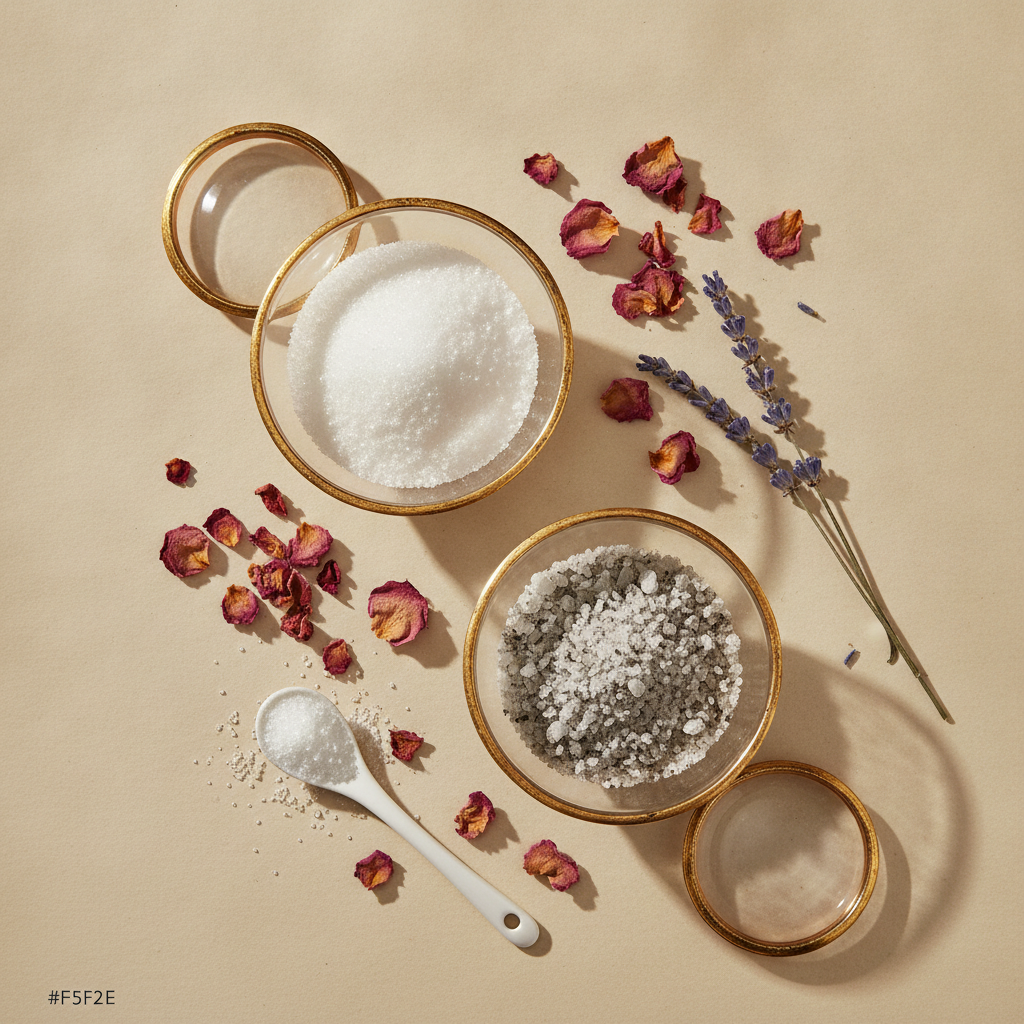
Sugar Scrub vs. Salt Scrub: Which One Suits Scented Skin?
Sugar scrub vs salt scrub — which one works better when fragrance is part of your routine? It comes down to grain size, moisture, and where you’re applying scent.
-

·
What Does Vanilla Actually Smell Like in Perfume? (And Why Winter Loves It)
What does vanilla smell like in perfume? It’s smokier, boozier, and more complex than the extract in your pantry. Here’s what it actually does in a winter scent.
-

·
What Does Amber Smell Like in Perfume, and How Is It Different From Vanilla?
Amber isn’t one ingredient — it’s a built accord. Here’s what amber actually smells like in perfume, how it differs from vanilla, and why so many warm scents lean on it.
-
·
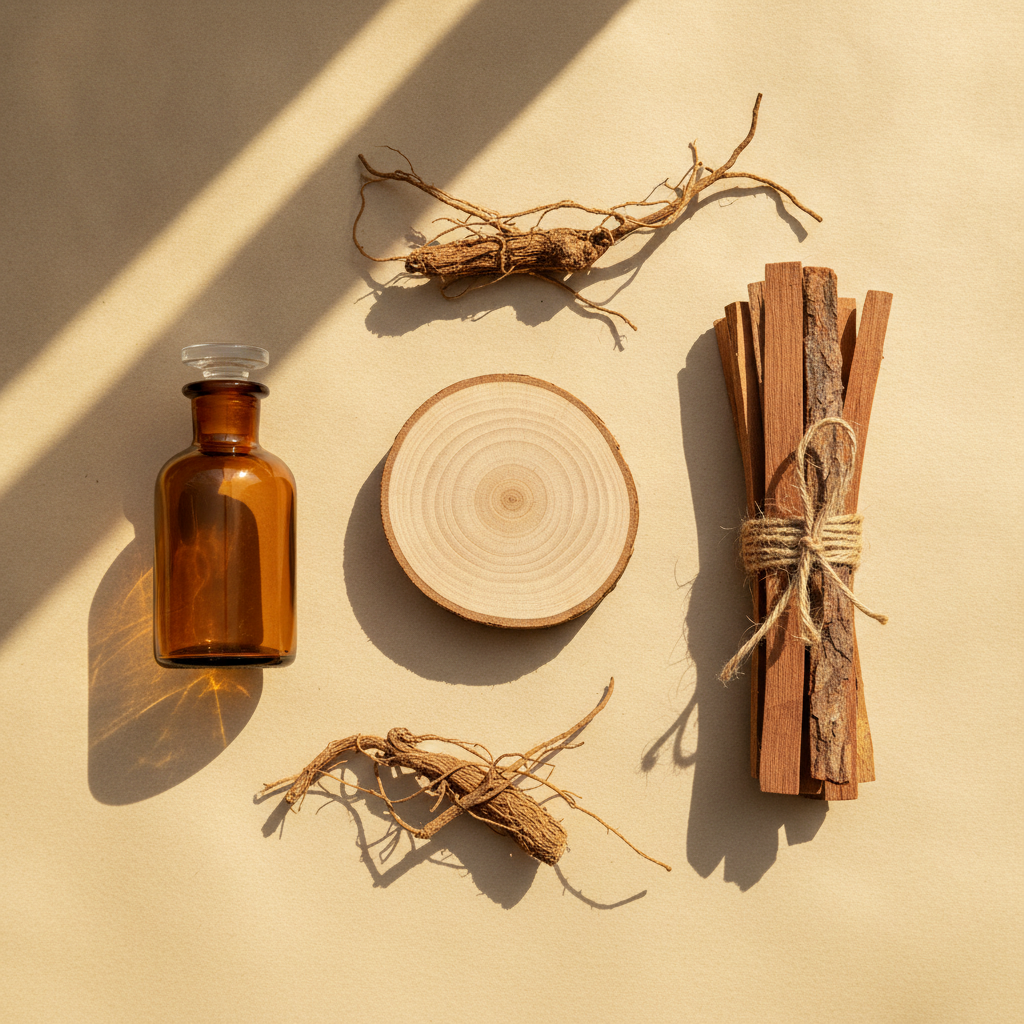
Best Woody Perfumes That Feel Warm, Not Stuffy
Woody perfumes don’t have to feel heavy or dated. Here’s what ‘woody’ actually covers — and how to find the one that fits you.
-
·
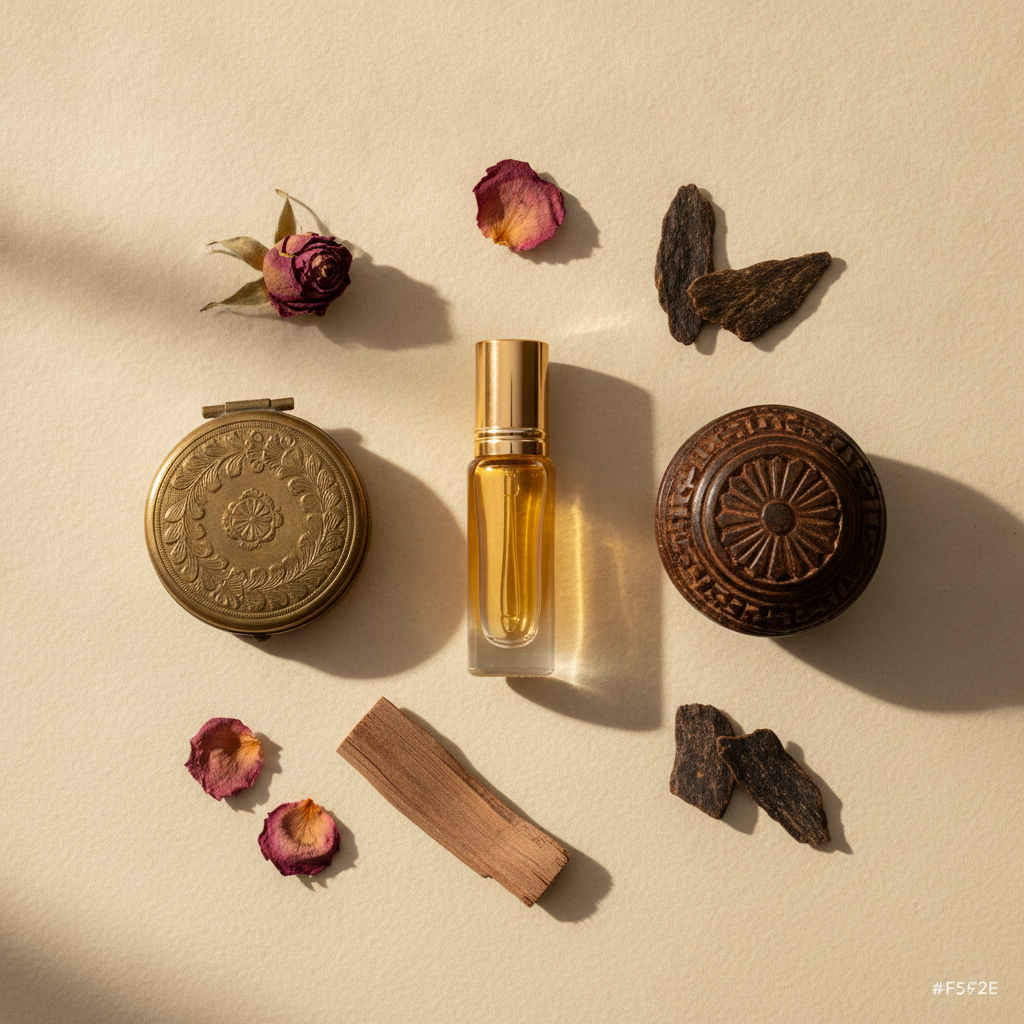
Perfume Oils, Attars, and Solids: Beyond the Spray Bottle
Perfume oil vs spray — which format actually wins? A practical guide to oils, attars, and solid perfumes: how they wear, who they suit, and when to reach for each.
-
·
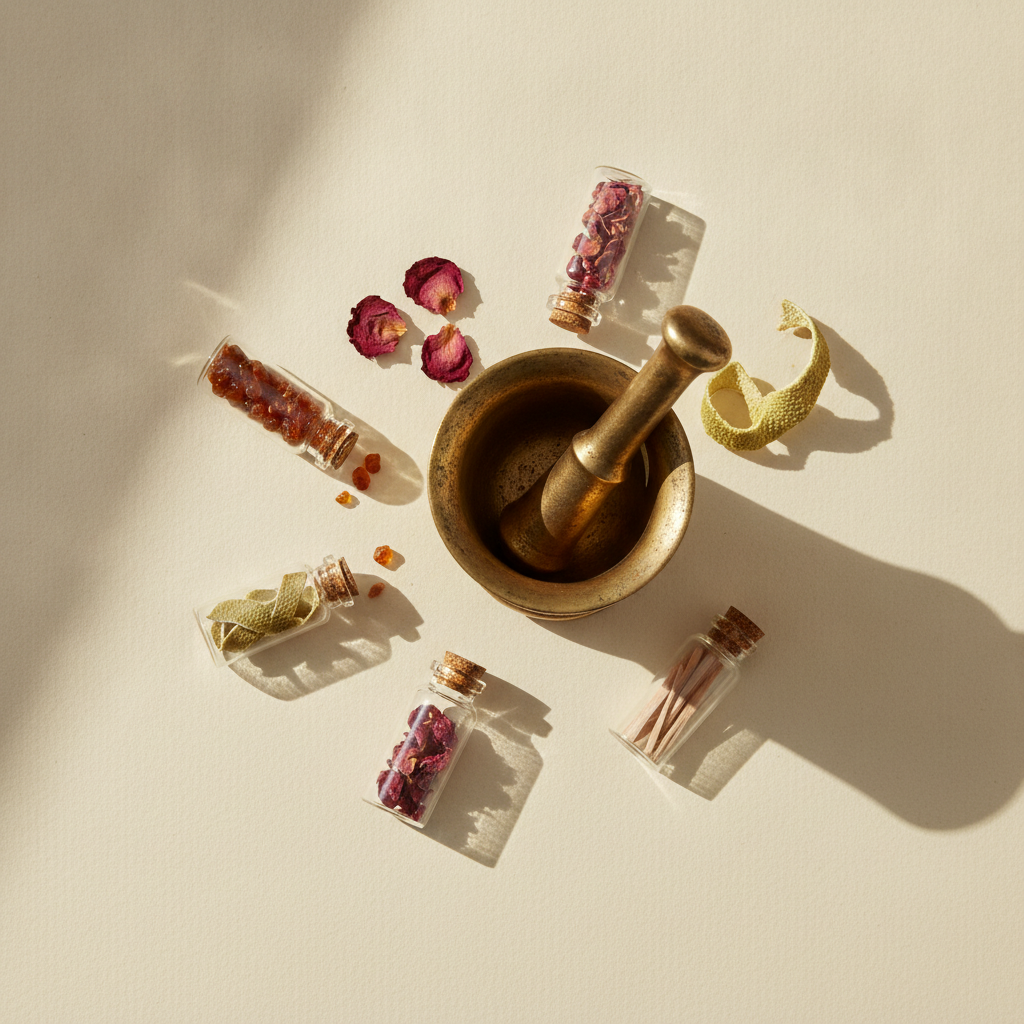
Notes vs. Accords: What Perfumers Actually Mean
Fragrance notes vs accords explained simply: a note is one ingredient, an accord is a blend that reads as one smell. Here’s why the box list rarely matches what you actually smell.
-
·
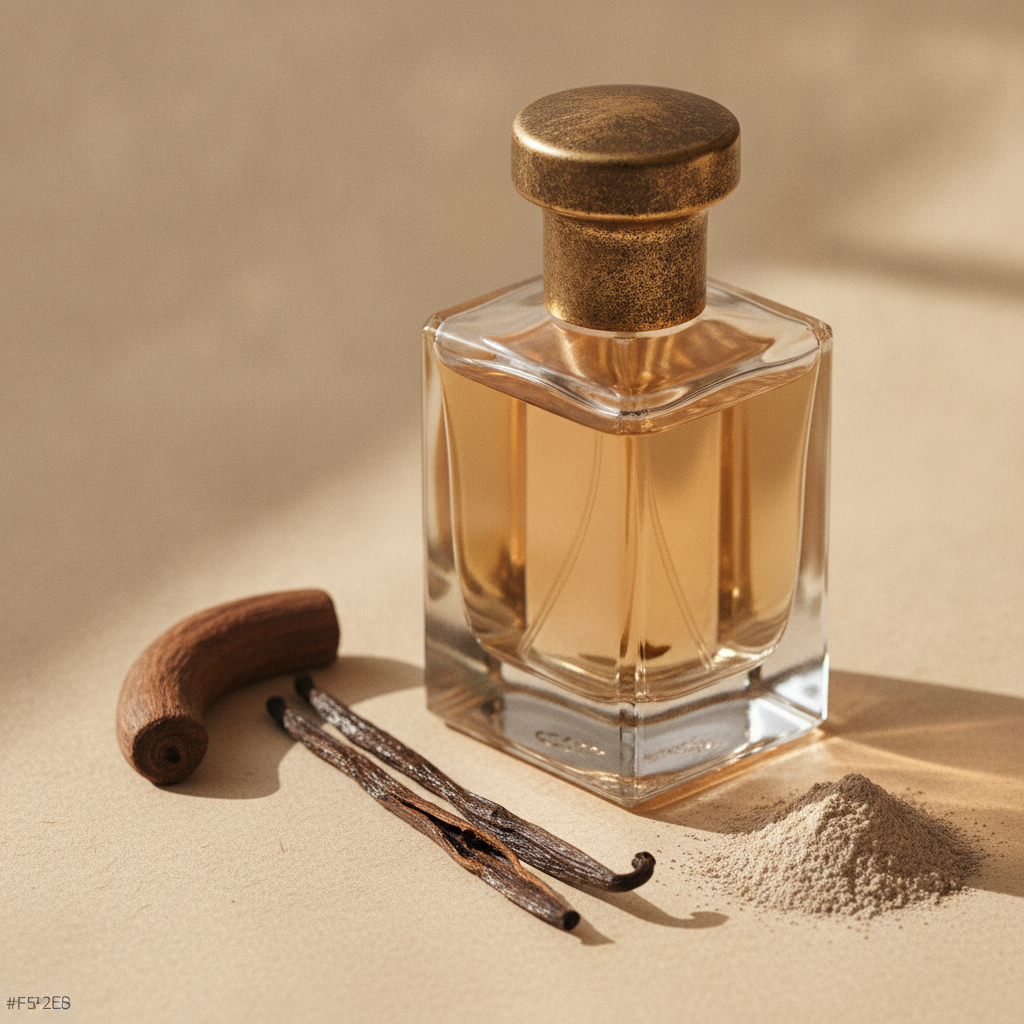
What ‘Drydown’ Actually Means (and Why It’s the Best Part)
The drydown is the final phase of a fragrance — where base notes settle and the scent becomes truly yours. Here’s what it means and why it matters most.
-
·
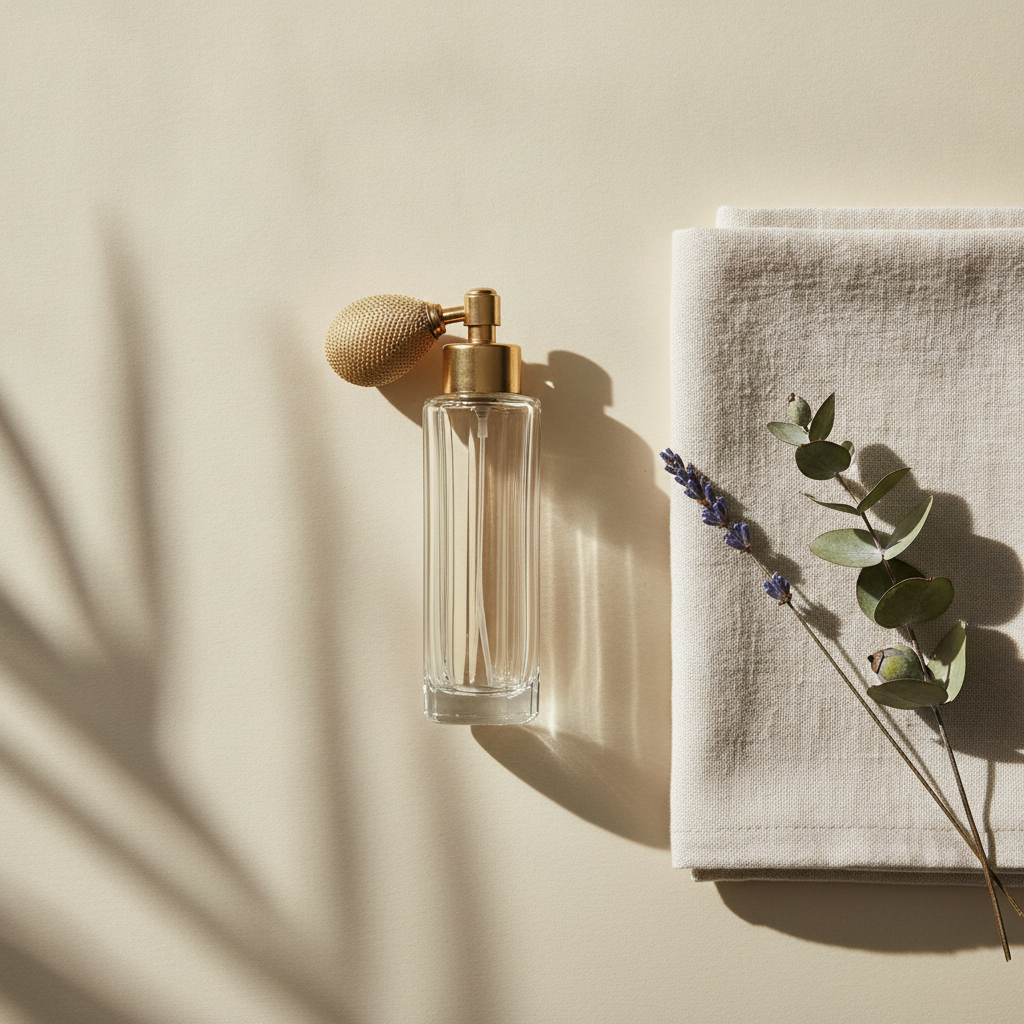
How Many Sprays of Perfume Is Actually Right?
How many sprays of perfume is actually right? It depends on concentration, the scent’s strength, and the setting. Here’s how to find your dose.