
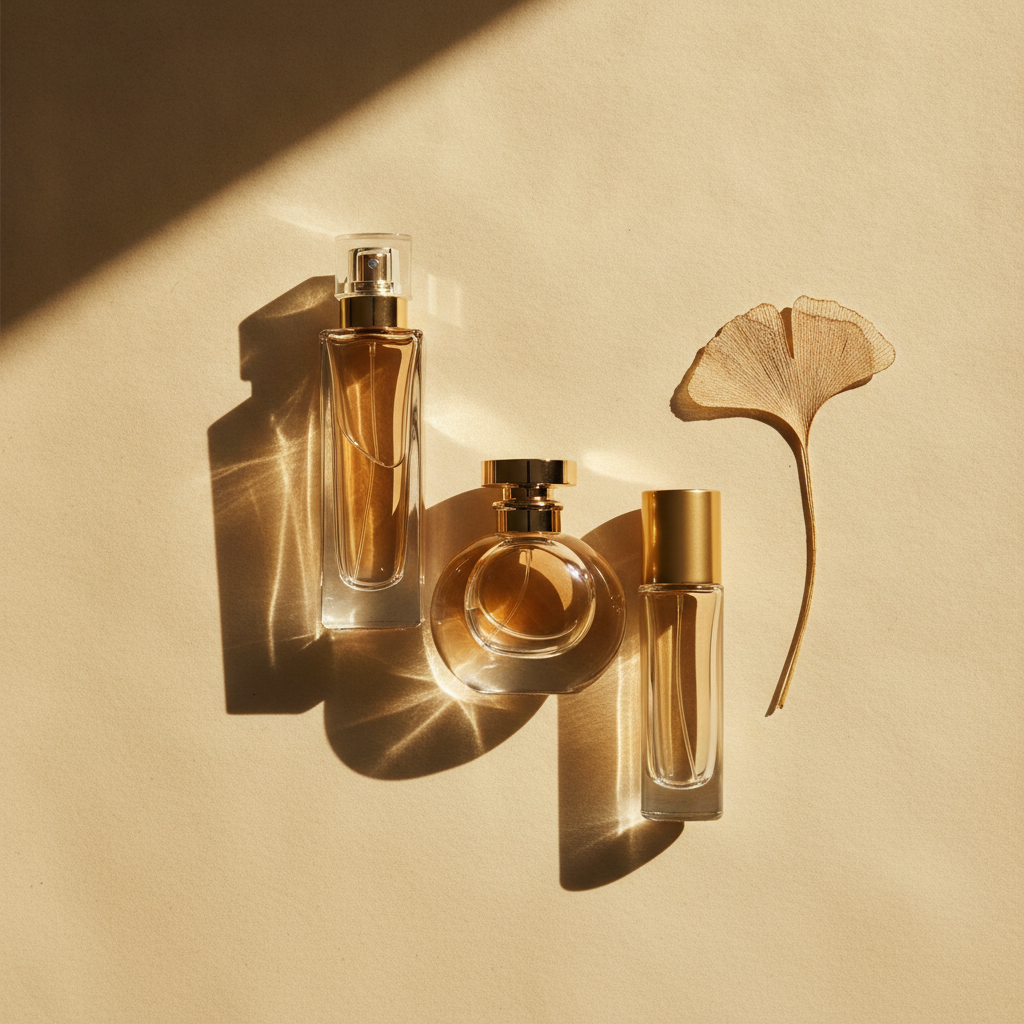
Pick up a bottle of cologne. Turn it over. Somewhere on the packaging — or just in the way it's marketed, the model it chose, the font it used — there's a quiet instruction: this one is for men. Or women. Or, if the brand is feeling progressive, "everyone."
That instruction is doing a lot of work. And almost none of it is about how the fragrance actually smells.
A brief history of a made-up line
Before the twentieth century, fragrance wasn't meaningfully gendered. Lavender, rose, citrus, musks — everyone wore them. Perfume was perfume.
Then came the modern cosmetics industry, and with it, the logic of segmented markets. In the early 1900s, brands began carving the shelf into two camps. Feminine fragrances got florals, powders, and soft fruits. Masculine fragrances got woods, leather, tobacco, and fougères — a family built around lavender and coumarin (a warm, slightly sweet note found naturally in tonka bean) that became the template for what "men's cologne" smelled like for most of the last century.
None of this was written in the chemistry. It was written in the marketing.
The associations hardened over decades of repetition. Florals started to feel feminine because they were sold that way, packaged that way, given to women as gifts. Oakmoss and vetiver started to feel masculine for the same reason. One generation's preference became the next generation's assumption.
By the time you were old enough to buy your own perfume, the shelves were already sorted for you.
What the notes actually say
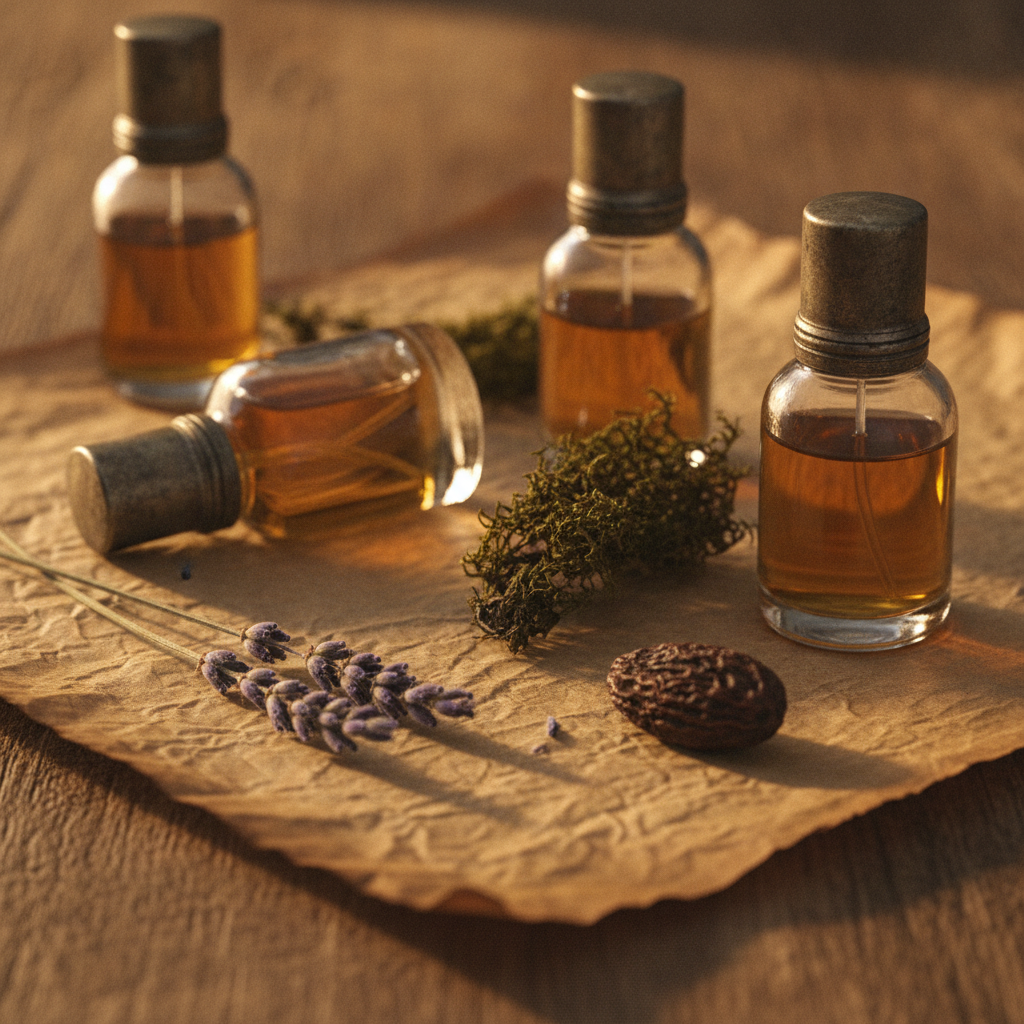
Here's what's genuinely true: certain raw materials do tend to appear more often in fragrances marketed to one gender or another, usually in one particular tier of the composition — which is worth reading a note pyramid closely enough to notice. Heavier ambers and animalic musks lean masculine by convention. Bright aldehydes and soft florals lean feminine. This isn't nothing — it gives you a rough shorthand.
But the overlap is enormous, and the exceptions are famous. Chanel No. 5 — the most iconic "feminine" perfume in history — is built on aldehydes and a soapy, almost austere structure that plenty of men wear. Jicky by Guerlain, launched in 1889 and often cited as the world's first modern perfume, was originally considered a men's fragrance. Today it's marketed to women. The juice hasn't changed.
Oud is heavy and resinous and reads as intensely masculine in Western marketing — but in the Middle East, where oud culture actually originated, it has no gender at all. Women wear it as readily as men, and in different forms than Western houses tend to produce.
The molecule doesn't know what gender it's supposed to be. Only the bottle does.
The question worth asking instead
So if the label isn't telling you what to wear, what is?
Honestly? Your nose. And, over time, your collection.
The fragrances you've actually bought — not the ones you thought you should like, not the one a gift-giver chose — form a kind of portrait of what you respond to. There's something in there about whether you're drawn to warmth or brightness, to things that hug close or project, to sweetness or severity. That pattern is more specific to you than any marketing category ever could be.
This is why it's worth paying attention to what you keep reaching for, and why. Not in a self-analytical way — you don't need to sit down and psychoanalyze your amber phase. But noticing patterns over time, especially across bottles from different "sides" of the shelf, tells you something real.
If you already keep a scent journal — even a loose one, just noting what you wore and when and why — TheScentStyler can take that week of entries and distill it into a short narrative of your scent life through a feature called the Historian. What you're actually drawn to, rendered back to you in words. It's a more honest answer than any label.
Wear the thing
The most useful thing that's happened to fragrance culture in the last decade is that people have largely stopped asking for permission. Clone houses like Lattafa and Oakcha have made niche and luxury profiles accessible to everyone — and in a funny way, that democratization has also made gendering less meaningful. When you can try a wide-angle version of almost anything for twenty dollars, you stop caring about what it says on the box and start caring about what it does on your skin.
Women wearing "men's" fragrances isn't a statement anymore. Men wearing florals isn't a statement anymore. It's just people finding what smells good on them and wearing it without making a whole thing of it.
Which, if you think about it, is exactly where fragrance should have been all along.
Your collection, accumulated honestly — the bottles you kept and the ones you didn't, the ones you reach for at 7am and the ones you save — already knows what you like. The label on the box is the least interesting thing about any of them.
If you're curious what your actual taste looks like in words, TheScentStyler's Historian builds a short written narrative from your week of scent entries. It's a good way to meet yourself a little better — no labels required.
Keep reading The Drydown
The Drydown publishes a new piece most days. If you’d like them quietly delivered, leave your email — no noise, just the writing.
One email per new piece. Unsubscribe anytime.