
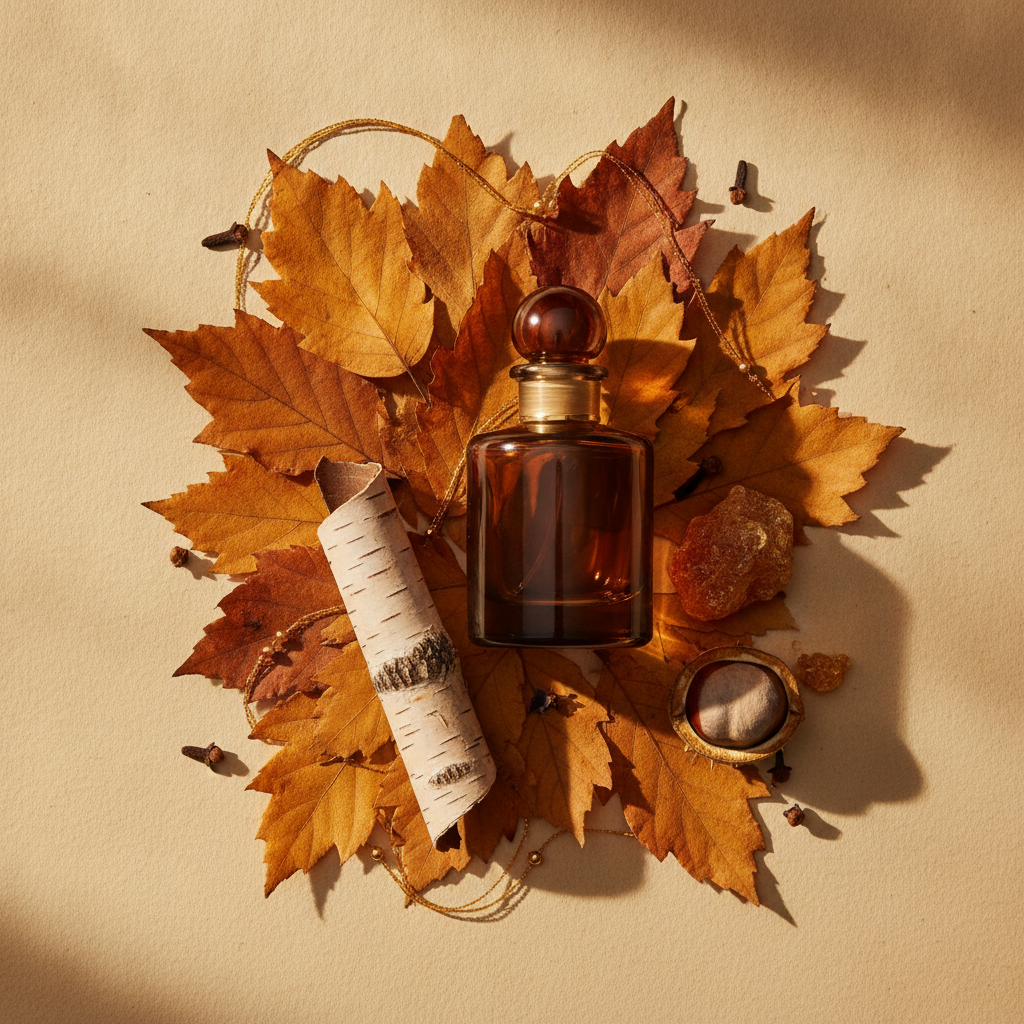
There's a moment every year — a cool evening in late September, maybe, or the first morning you actually need a jacket — when your usual summer fragrance suddenly feels wrong. Too bright, too watery, too thin for the air around it. And you find yourself reaching for something else. Something heavier, darker, warmer.
That instinct is real. But what are you actually reaching for? What makes a fragrance smell like fall?
It comes down to a handful of notes and accords that the nose reads as autumnal — some because they literally evoke the season, some because of how they behave in cooler air. Once you can name them, you start to understand what you're actually drawn to when the season turns.
Amber: the backbone of autumn
If fall fragrances have a foundation, it's amber. Not ambergris (the rare whale-derived stuff), but the warm, resinous accord that perfumers build from benzoin, labdanum, and vanilla-adjacent materials. Amber smells soft and deep — slightly sweet, slightly powdery, with a low golden hum underneath everything else.
It's not a single ingredient but a mood built from several. And it's why so many fall fragrances feel like being wrapped in something. Amber doesn't project loudly; it radiates.
Spice — but which kind?
Spice is the obvious autumn marker, though it's worth being more specific, because "spice" covers a lot of ground.
Warm spices — cinnamon, clove, cardamom, nutmeg — read as cozy and edible. They're the notes that make you think of something baking. A little goes a long way; a lot starts to smell like a candle.
Darker spices — black pepper, saffron, incense — are drier and less sweet. They add tension and complexity rather than comfort. A fragrance with saffron and leather sits in a very different emotional register than one built on cinnamon and vanilla.
Knowing which end of the spice spectrum you prefer is one of the most useful things you can figure out about your own taste.
Woods: dry, smoky, earthy
Fall fragrances lean heavily on woods, but not the bright, fresh woods of summer. These tend to be drier, more resinous, more grounded.
Vetiver is grassy and smoky at once — earthy in a way that smells like turned soil after rain. Cedarwood dries down to something almost pencil-shavings clean. Patchouli — polarizing, but worth understanding — is dark and slightly sweet, like damp earth and aged wood. Sandalwood reads warmer, creamier, softer.
Then there's smoke itself. Some fragrances include a direct smoky note — birch tar, oud, or an incense accord — that conjures woodsmoke or dried leaves in a way that's deeply, specifically autumnal.
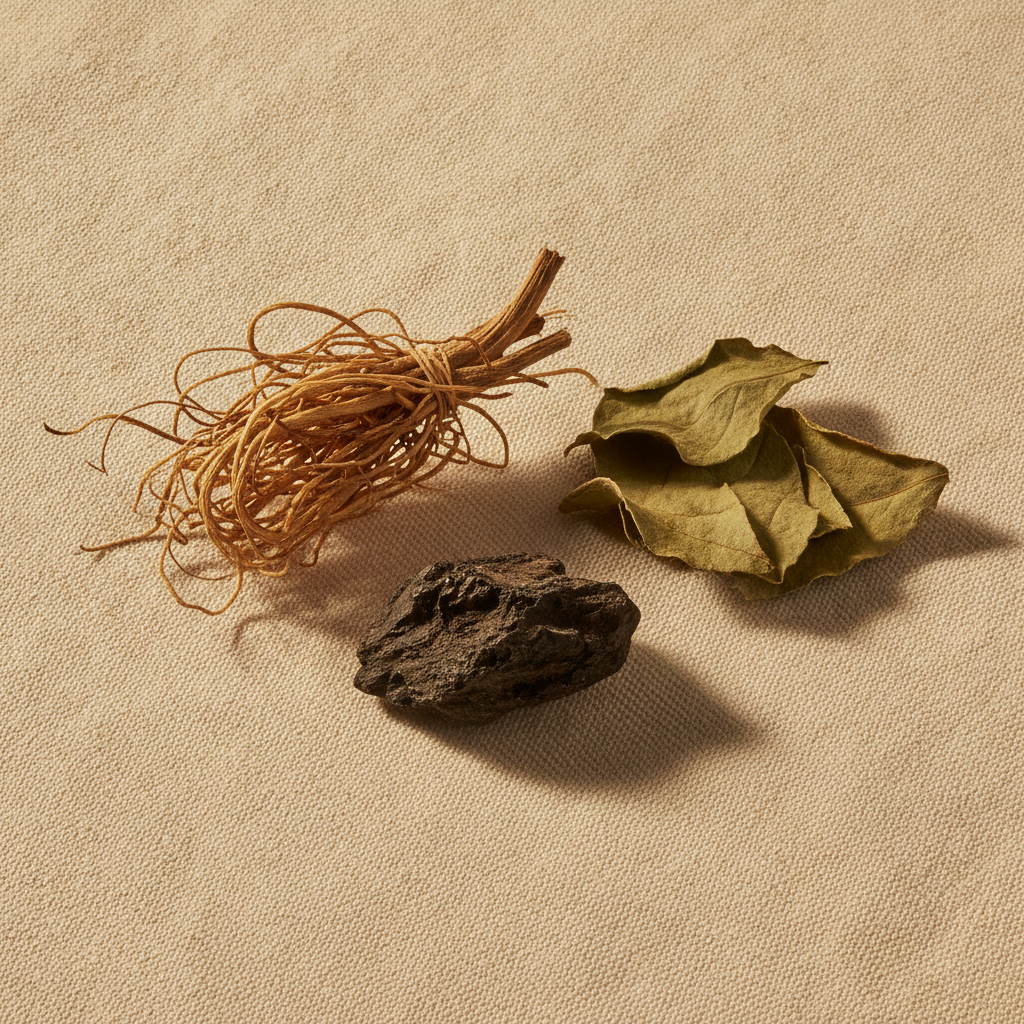
Fig, chestnut, and the things we forget
Autumn is also a harvest season, and some of its best fragrance notes come from that — less talked-about than amber or oud, but just as evocative.
Fig is surprisingly complex: there's a green, milky facet from the leaves and stem, and a darker, jammy sweetness from the fruit. Fig fragrances can feel fresh and melancholy at the same time, which is very September.
Chestnut shows up less often, but when it does, it's almost photographic — starchy, slightly sweet, a little smoky. It smells like something roasting on a street corner, in the best way.
Leather is another underrated autumn accord. Real leather materials — birch, castoreum, or modern aroma-chemicals built to approximate them — smell like something worn-in and lived-in. They age beautifully on skin as the day goes on.
Why these notes work better in cool air
There's a practical reason fall fragrances feel appropriate in fall: cold air is denser, and heavier molecules don't lift as easily. Amber, resin, spice, and wood are all relatively large, low-volatility materials. They radiate close to the skin rather than blooming outward the way bright citrus does.
Put a big amber-and-spice scent on in July heat and it can turn cloyingly sweet or overwhelming. Put it on when the air is cold and your skin is warm underneath your coat, and it just hums. The season and the fragrance work with each other.
Naming what you actually love
The most useful thing you can do this season is pay attention to which of these notes you keep returning to. Because "I like fall fragrances" is a starting point, not an answer. Someone who loves smoky vetiver and leather is looking for something very different from someone drawn to warm cinnamon and amber.
One way to figure it out: when you wear something this season and it clicks — when it feels right for the weather, the moment, the mood — take thirty seconds to write down what you're smelling. Not a review, just a note. Dark, woody, a little sweet. Smoke in the drydown.
That kind of running record, built up over a few weeks, tells you something real about your own taste that you can't get from reading fragrance descriptions. It also helps you communicate what you're looking for when you're hunting for something new.
If you want a dedicated place to keep those notes, TheScentStyler is built exactly for this — log what you're wearing, jot what you're smelling, and watch your autumn preferences come into focus over the season.
Keep reading The Drydown
The Drydown publishes a new piece most days. If you’d like them quietly delivered, leave your email — no noise, just the writing.
One email per new piece. Unsubscribe anytime.