
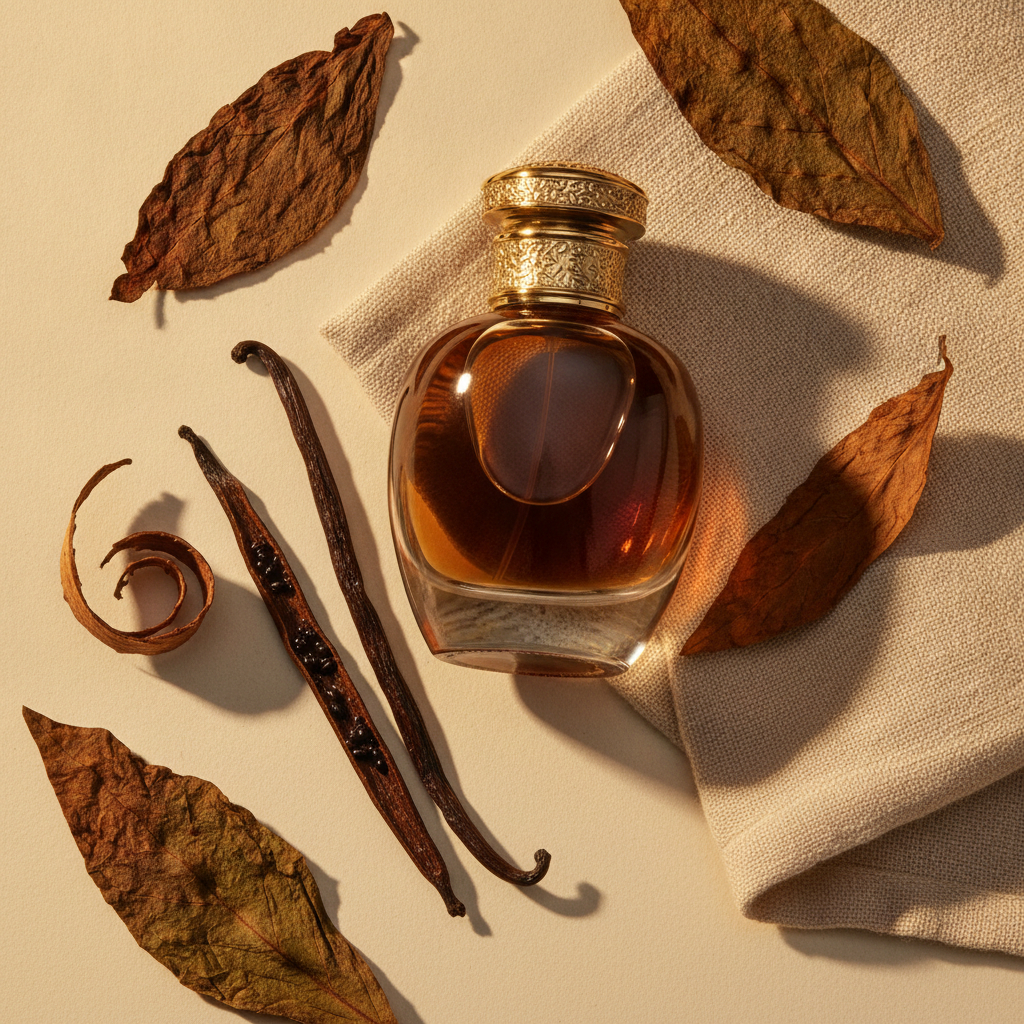
There's a particular kind of cold-weather luxury that doesn't ask for your approval. You spray it on, it settles into your skin, and it just sits there radiating warmth — unhurried, a little heavy, completely sure of itself. That is the Tom Ford Private Blend experience in one sentence, and whether that sounds appealing or suffocating tells you almost everything you need to know before you spend the money.
The Private Blend line is where Tom Ford goes all in. Not the main line fragrances you find at most department store counters — those are fine, well-made, reasonably priced for what they are. The Private Blend is a separate tier, priced separately, marketed separately, and built around a different promise. We're talking about fragrances that start around $250 for 50ml and climb from there. Two of them — Tobacco Vanille and Oud Wood — have become so widely known that they function almost as reference points for an entire category of cold-weather richness. If you've spent any time in fragrance spaces online, you've heard their names. The question is whether they deserve that reputation, and whether they deserve yours.
What the Private Blend Actually Is
Tom Ford launched the Private Blend collection in 2007, positioning it as the creative, unfettered side of the house — fragrances made with fewer commercial constraints, bolder ingredients, less concern about mass appeal. The bottles are identical heavy glass flacons across the line, which gives the whole collection a visual unity and a sense of heft. You feel like you're holding something serious.
Whether that seriousness is earned depends on the fragrance. The line is large now, with dozens of entries, and quality varies. But the ones that became famous did so for reasons that hold up.
Tobacco Vanille: The One Everyone Mentions First
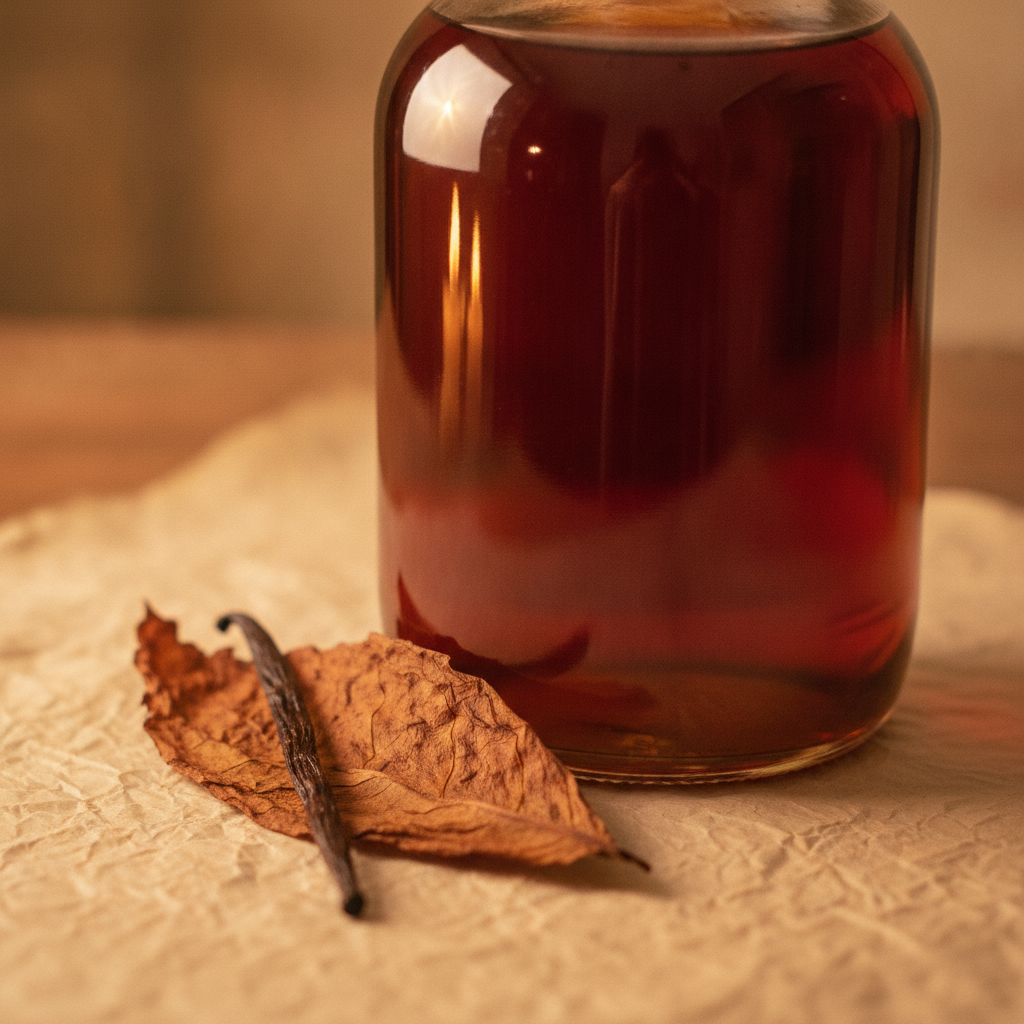
Tobacco Vanille is the Private Blend's most famous fragrance, and it earned that position honestly. It is warm, rich, and sweet — a deep gourmand-leaning oriental that smells like a well-worn tobacco pouch lined with vanilla and dried fruit. There's nothing tentative about it. It announces itself.
The vanilla here isn't the thin, sugary kind you find in cheaper sweet fragrances. It's rounder and more complex, sitting on top of something that reads as slightly smoky and spiced. Most people smell a combination of pipe tobacco, dark dried fruits, and sweet resins — something that feels genuinely grown-up despite the sweetness. It's the kind of scent that makes a cold room feel warmer.
It also lasts. Projection is strong for the first few hours — the people near you will notice — then it settles into a denser, creamier skin-close warmth that can persist all day. For cold weather, that's nearly ideal.
The catch is that it is heavy. If you run warm, if you dislike sweet fragrances, if you prefer your perfumes understated — Tobacco Vanille may genuinely not work for you, and that's a fair response, not a failure of imagination. A full day on skin is the only way to know. Some people find the richness beautiful right through; others hit a wall around hour three and feel like they've eaten too much dessert.
It's worth reading what vanilla actually does in a cold-weather fragrance before you go to test it — knowing what separates a rich vanilla note from a flat one makes the test more useful.
Oud Wood: The Quieter Argument
If Tobacco Vanille is the loud statement, Oud Wood is the quieter, more sophisticated one. It helped introduce a lot of Western fragrance wearers to oud as an ingredient, partly because it presents oud in a fairly approachable, refined way. It doesn't go full Middle Eastern traditional — instead, it takes the warm, slightly medicinal woodiness of oud and softens it with rosewood, vetiver, and something almost smoky and peppery at first spray.
The result is dry, warm, and clean without being cold. It wears close to the skin after the first hour, which is either a feature or a problem depending on how much you like to project. If you want something that announces itself across a room, Oud Wood isn't that. If you want something that you keep catching on yourself all day — and that occasionally makes someone near you stop mid-sentence and ask what you're wearing — it's that.
For anyone curious about what oud actually is and why it commands such presence, the note is worth understanding on its own terms before committing to a full bottle of anything built around it.
Oud Wood is the more versatile of the two. People wear it year-round; it can pass in professional settings; it doesn't read as flashy. It's also the one that clones more often — you can find very credible alternatives at a fraction of the price if you like the character but not the price tag.
Where the Price Makes Sense — and Where It Doesn't
Tom Ford occupies a strange middle ground in the fragrance world. It is technically niche in price and positioning, but it is designer in distribution — sold at Sephora, Nordstrom, airport duty free. You can smell it anywhere. That ubiquity is part of both its appeal and its limitation.
For Tobacco Vanille especially, you are partly paying for a smell that has become genuinely iconic. It's a reference point. Wearing it lands differently than wearing an unknown fragrance, and for some people that matters.
But you are also paying for the name on the box, the weight of the bottle, the retail environment. The juice itself — the actual formula — is very good but not necessarily better than things that cost $80–$120 less. If you're purely chasing the smell and have no attachment to the object or the name, there are roads worth exploring.
If you are attached to the object — the heft of the flacon, the ritual of something that feels expensive in your hand — then that's a legitimate thing to pay for, and you shouldn't feel embarrassed about it. Fragrance is partly experience, not just chemistry.
A Few Honest Things to Know Before You Buy
Test it for a full day. Both of these fragrances smell different at hour one than at hour six. The drydown is where you find out if you actually love them. A blotter at a counter tells you almost nothing useful.
Buy a decant first if you can. At these prices, a decant is not a compromise — it's the only sensible move. Most online decant sellers carry both.
Skin chemistry matters more here than with lighter fragrances. Rich, resinous fragrances amplify whatever your skin already does. On some people, Tobacco Vanille goes creamy and beautiful. On others, the sweetness turns synthetic. You genuinely cannot know until you wear it.
Price doesn't guarantee fit. The most expensive fragrance isn't the best fragrance — it's the one you reach for. If that ends up being a $40 Lattafa, that's the right answer.
If you're building out a wardrobe around heavier, richer cold-weather scents, it helps to think about where each piece fits — not just how it smells on a blotter, but what you'd actually wear it to and when. TheScentStyler's Atelier is built for exactly that thinking: it suggests combinations and occasion fits based on what you already own, which is useful when you're trying to decide whether a $300 bottle fills a gap or just duplicates something you already have.
Tom Ford is worth it for some people, for specific reasons. Whether you're one of them is something only your skin — and a full day of wearing — can answer.
Keep reading The Drydown
The Drydown publishes a new piece most days. If you’d like them quietly delivered, leave your email — no noise, just the writing.
One email per new piece. Unsubscribe anytime.