

There's a particular kind of purchase that lives half in the object, half in what the object means. A Byredo bottle is like that. It's tall, matte, almost aggressively spare. It looks good on a shelf. It signals something without announcing it. And it costs — depending on the size — somewhere between $200 and $300 for an EDP.
That's real money. So the question isn't just "does this smell good." It's whether the smell justifies the price, or whether you're mostly paying for the aesthetic — and whether you've made peace with that answer before you buy.
I want to talk through three of Byredo's most iconic bottles: Gypsy Water, Bal d'Afrique, and Mojave Ghost. They're very different from each other. And they earn their price tags in very different ways.
The House, Quickly
Byredo was founded in 2006 by Ben Gorham, a former basketball player turned creative director working out of Stockholm. The brand built its identity on restraint — stripped-back packaging, ungendered positioning, and fragrances that often read more like moods than compositions. It grew through word of mouth and aesthetic alignment more than advertising, which is part of why it attracted the kind of buyer who finds heavy marketing alienating.
That's the brand story. Now the bottles.
Gypsy Water: The One Everyone Talks About
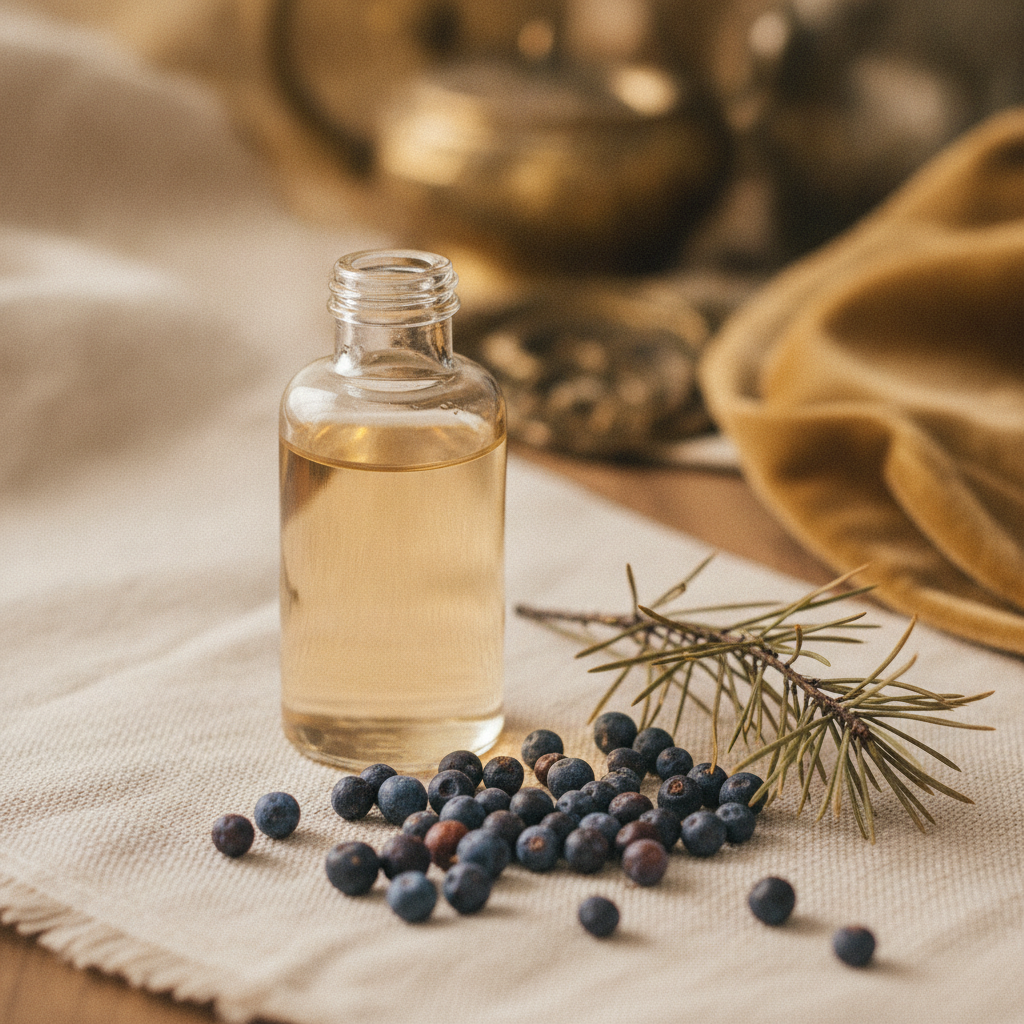
Gypsy Water is bergamot, pepper, lemon, juniper berries, incense, pine needles, orris, sandalwood, vanilla, and amber — in rough terms, a fresh-woody-smoky thing that starts bright and dries down into something soft and resinous.
On paper it sounds complex. On skin it reads simpler than you'd expect: clean, slightly piney, a little smoky, and quietly sweet underneath. It's wearable in almost any season, never loud, never challenging. Some people find that beautiful. Some find it thin.
Here's the honest part: Gypsy Water has a reputation for being quieter than its price suggests. The sillage — how far the scent travels from your skin — is modest. You'll smell it on yourself, especially in the first hour, but don't expect it to announce you when you walk into a room. It's a close-in scent, meant to be discovered rather than projected.
Longevity varies a lot by skin type. On drier skin, four to five hours is realistic. On skin that holds moisture well, you might get longer. It's an EDP, but it doesn't behave like one in the traditional sense.
If you want to test how your skin handles it before committing, getting a decant is worth considering — what a decant actually is and why it exists is something more people should know before dropping $250 on a first bottle.
Is it worth it? Gypsy Water is genuinely beautiful. But it rewards people who love skin scents and close-wearing. If you want projection and longevity at this price, it may disappoint you.
Bal d'Afrique: The One That Earns It
Bal d'Afrique is the outlier in this comparison, and it's the one I'd defend most confidently at the price.
It's built around African marigold, neroli, bergamot, violet, jasmine, musk, vetiver, and cedarwood. What you smell is harder to categorize than that list suggests: a warm, golden floral that isn't powdery or grandmotherly. It's sunlit and slightly earthy — something between a white flower and a woody base, with a brightness that doesn't read as citrus.
Where Gypsy Water is quiet, Bal d'Afrique has genuine presence. It projects. It lasts. On most skin types you can reliably get six to eight hours, sometimes more. It's an EDP that behaves like one.
It's also unusual without being difficult. You don't need to be adventurous to love it; you just need to be open to something that doesn't fit a familiar template. It sits in a category somewhere between niche and designer fragrance philosophy — it has the thoughtfulness of niche without requiring a prior commitment to challenging or abstract scents.
This is the Byredo bottle, in my view, that justifies the premium on its own terms. The smell is distinctive, the performance is solid, and nothing at a lower price point smells quite like it.
Mojave Ghost: The Prettiest of the Three
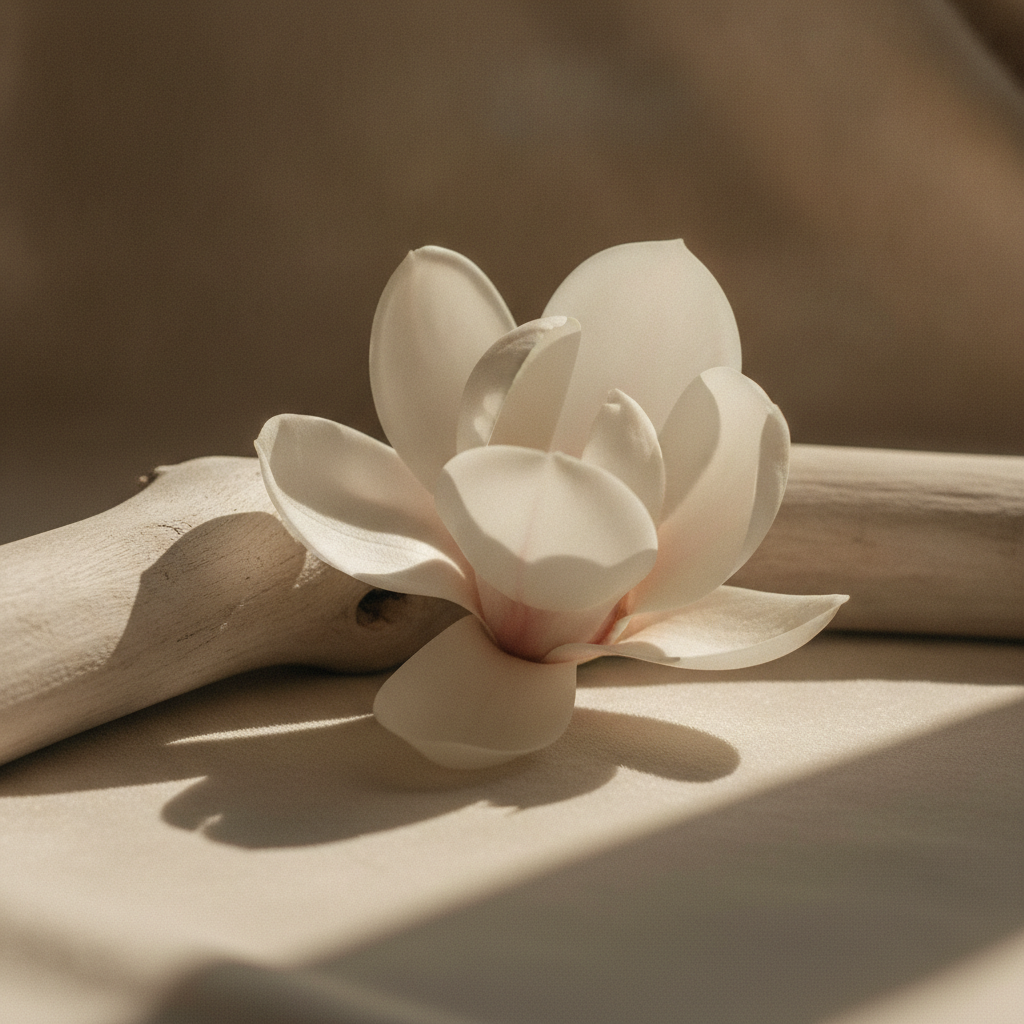
Mojave Ghost takes its name from the ghost flower that blooms in the Mojave Desert, pollinated by night. The fragrance is built around magnolia, ambrette, and sandalwood, with violet and sapodilla — a tropical fruit — and some soft musky woods underneath.
What you get is soft, luminous, and almost weightless. It's the scent equivalent of pale morning light. It's easy in the best sense: undemanding, never sharp, quietly pretty all day.
But "pretty" is a complicated word in fragrance, because it can mean beautiful or it can mean shallow. Mojave Ghost sits at the edge of both. It's genuinely lovely. It also doesn't do very much. Like Gypsy Water, it tends toward close-wearing. Performance varies, but don't expect the reach of Bal d'Afrique.
Where Mojave Ghost earns its place is in wearability — it's the kind of scent that suits almost any context, any season, any outfit. It's never wrong. That reliability has real value if you want something you never have to think about. But if you're looking for a scent that reveals itself in layers or shifts dramatically across a day, it may feel like it resolves too quickly.
The Concentration Question
All three are sold as EDPs. But Byredo's EDPs tend to run lighter than many others at the same concentration. This isn't a defect — it's a stylistic choice. The house leans toward restraint, and that affects projection and longevity. Understanding what concentration actually means — and why a bottle's concentration doesn't always predict its behavior — is part of reading what you're buying before you spend.
The practical implication: if you're coming from a house that makes loud, long-wearing EDPs, Byredo may read as underperforming. If you're drawn to skin-close, subtle scents, it may feel exactly right. Neither reading is wrong. They're just different expectations.
How to Decide Before You Spend
Here's the thing I'd genuinely urge: before you buy any of these full-size, spend time with a sample or decant — not just a strip, but on your skin for a full day. Notice how it opens, how it shifts, where it lands after four hours. Does it still feel interesting in the drydown, or does it disappear so quietly that you forget you put it on?
This is exactly the kind of thing worth writing down. Not for anyone else — just for you. Logging what you wore, how it behaved, how you felt in it — that small habit, done even once per new fragrance, changes how you buy. You stop going on gut feeling from a first spray and start knowing what your skin actually does with a scent. Keeping a scent diary sounds like a lot, but in practice it's a note or two at the end of the day.
The Verdict
Gypsy Water: Beautiful, quiet, and somewhat thin for the price. Worth it if you love close-wearing scents and don't need projection. Consider a decant first.
Bal d'Afrique: The strongest case for spending the money. Genuinely distinctive, good performance, nothing obvious to compare it to. If you're buying one Byredo bottle, this is the one.
Mojave Ghost: Effortlessly pretty and reliably wearable. Less distinctive than Bal d'Afrique, but that ease has its own appeal. Best if you want something that's never wrong rather than something that's fascinatingly right.
Byredo is, at its best, worth it — but which bottle earns the price depends entirely on what you want from a scent. The bottles look the same on a shelf. What's inside them is quite different.
If you're building a habit of wearing something, noticing it, and actually remembering why you bought it, TheScentStyler is built for exactly that — log what you wore, note how it behaved on your skin, and let it build a picture of what you actually reach for. Over time, that record makes you a much smarter buyer than any review will.
Keep reading The Drydown
The Drydown publishes a new piece most days. If you’d like them quietly delivered, leave your email — no noise, just the writing.
One email per new piece. Unsubscribe anytime.