
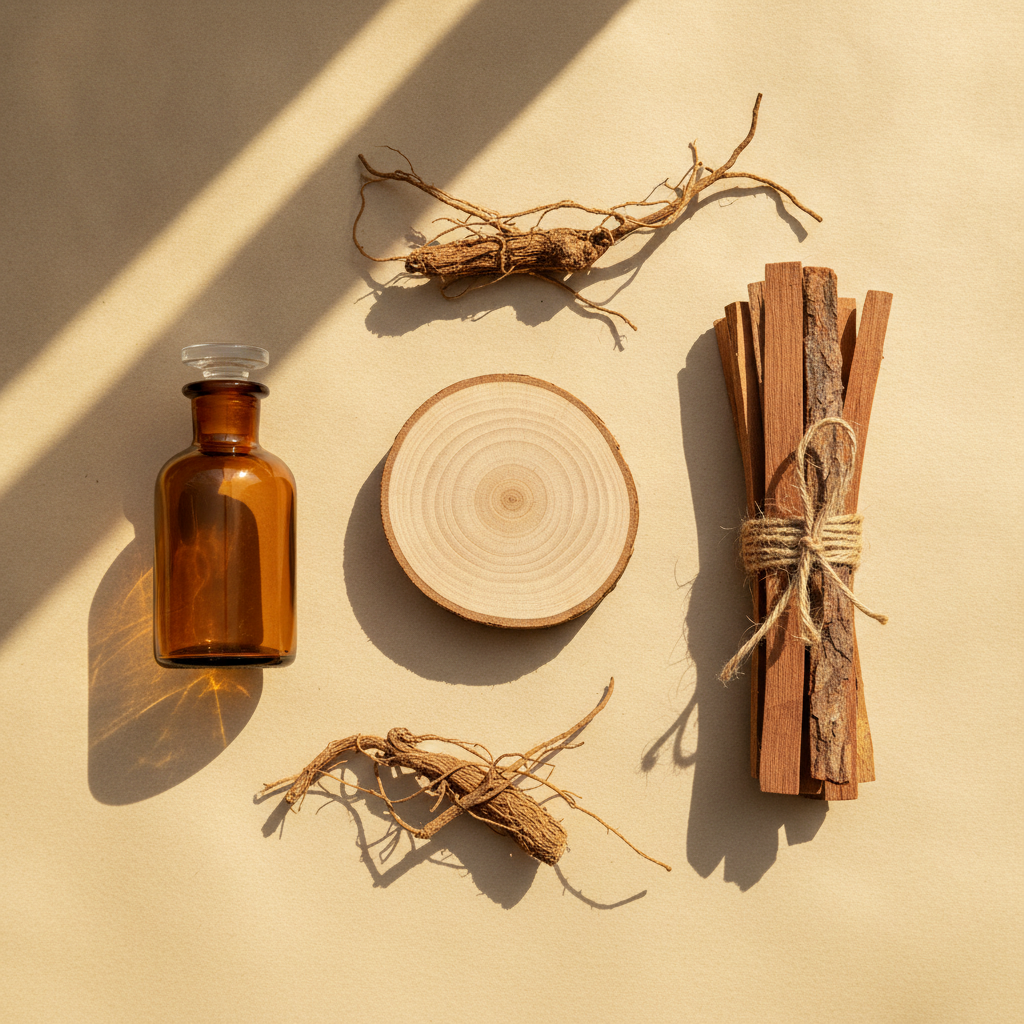
There's a version of "woody" that smells like a Victorian study — all dust, pipe smoke, and furniture polish. Heavy, closed-off, old. And then there's the woody that smells like warm skin, like something just-dried from a fire, like clean air moving through a cedar forest. Those two things share a label but almost nothing else.
If you've avoided woody fragrances because you were worried they'd feel stuffy or masculine-coded or just serious in the wrong way, it's worth knowing that the family is far more varied than its reputation. Some of the most wearable, skin-close, quietly modern scents are technically woody. You just have to know which kind.
What "Woody" Actually Covers
Woody isn't one smell — it's a whole region of the fragrance world, with very different neighborhoods.
Sandalwood is the soft one. Creamy, slightly sweet, warm against the skin. Good sandalwood (and there are very different qualities of it) has an almost milky richness that reads intimate rather than heavy. It layers beautifully under almost anything and tends to make fragrances feel more skin-like, more personal.
Cedar goes drier and cleaner. Think pencil shavings, freshly planed wood, something airy. Cedar is the woody that doesn't feel heavy — it gives structure and a light spice without weighing a fragrance down. A lot of "office-safe" fragrances use cedar exactly because it reads as clean and composed.
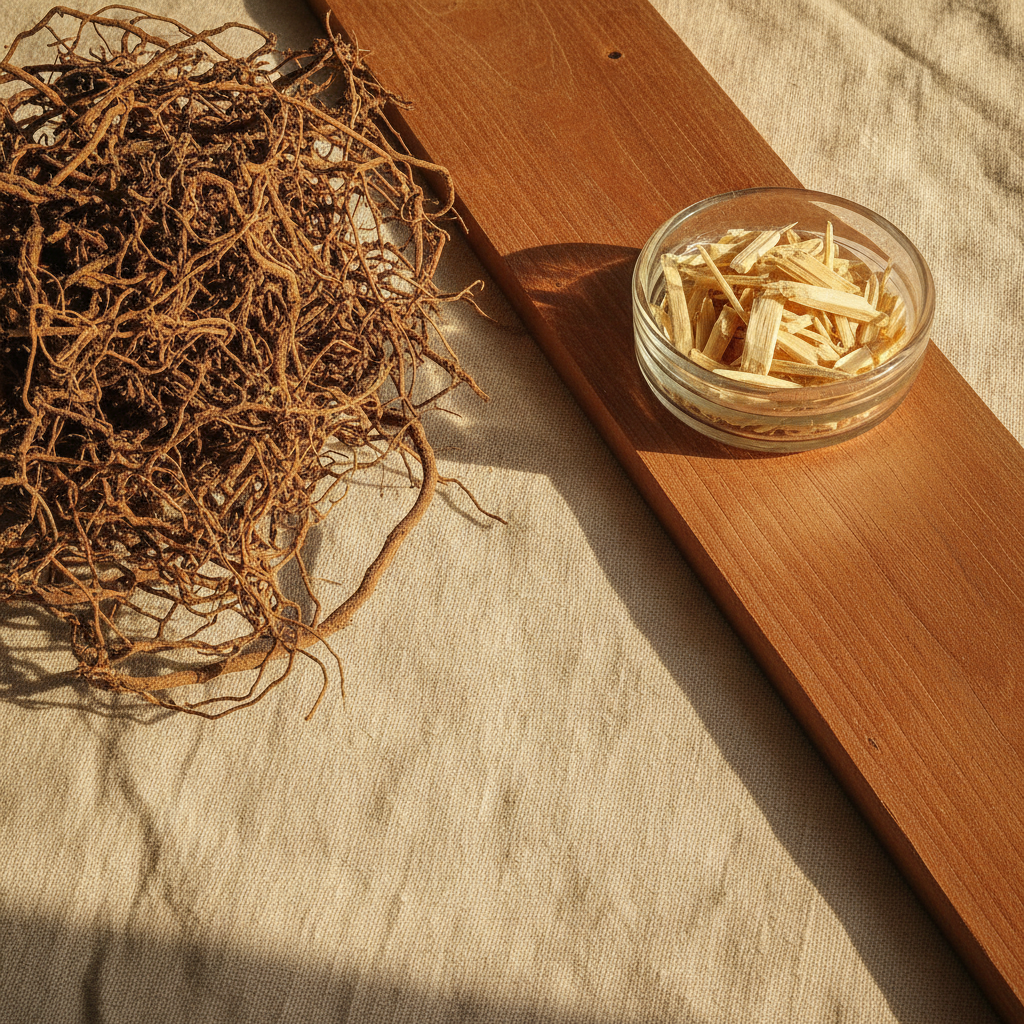
Vetiver is earthier, smokier, and arguably the most complex of the bunch. It comes from the roots of a grass, and it can smell green and raw or deep and almost resinous depending on how it's handled. Vetiver is the wood that has something to say — it's not soft or simple, but it's endlessly interesting.
Oud-adjacent woods — agarwood, guaiac, palo santo, Australian sandalwood — tend to read warmer and more resinous, sometimes almost leather-like or incense-like. The real thing (actual oud) can be polarizing, but modern perfumery has found ways to use oud-adjacent materials to get warmth and depth without the intensity that makes some people back away.
Why Modern Woody Fragrances Feel Different
The "old study" problem usually comes from a combination of things: heavy musks, dense resins, tobacco, and dated aromachemicals that once defined what "masculine" was supposed to smell like. Strip those out or update them, and wood notes can breathe.
Modern woody fragrances tend to reach for the cleaner and creamier end of the spectrum. They use cedar to add lightness, sandalwood to add warmth without heaviness, and pair woody bases with things that feel fresh — white flowers, green tea, mild spice, soft citrus. The result smells like the idea of a forest or a warm wooden room, not like something that's been closed up for decades.
This is also why a lot of people who say they don't like woody fragrances do actually like them — they just like the modern versions, and didn't know that's what they were wearing.
Who Woody Fragrances Actually Suit
The short answer: almost everyone, depending on which branch you go to.
If you lean toward comfort and softness, sandalwood is probably your entry point. It's the least challenging of the woody family and tends to disappear into the skin in a flattering way.
If you like clean, well-organized, slightly minimal scents, cedar is doing a lot of the work in fragrances you probably already enjoy. It's the backbone of many "quiet luxury" scents.
If you want something with more personality — something that holds its ground and has a bit of complexity — vetiver is worth spending time with. It's a slow-burn favorite. Not for everyone immediately, but often a long-term love.
And if you want warmth that almost crosses into gourmand or leather territory without quite going there, the oud-adjacent and resinous woods give you that. Rich, but not sweet. Substantial, but modern.
Finding Your Woody
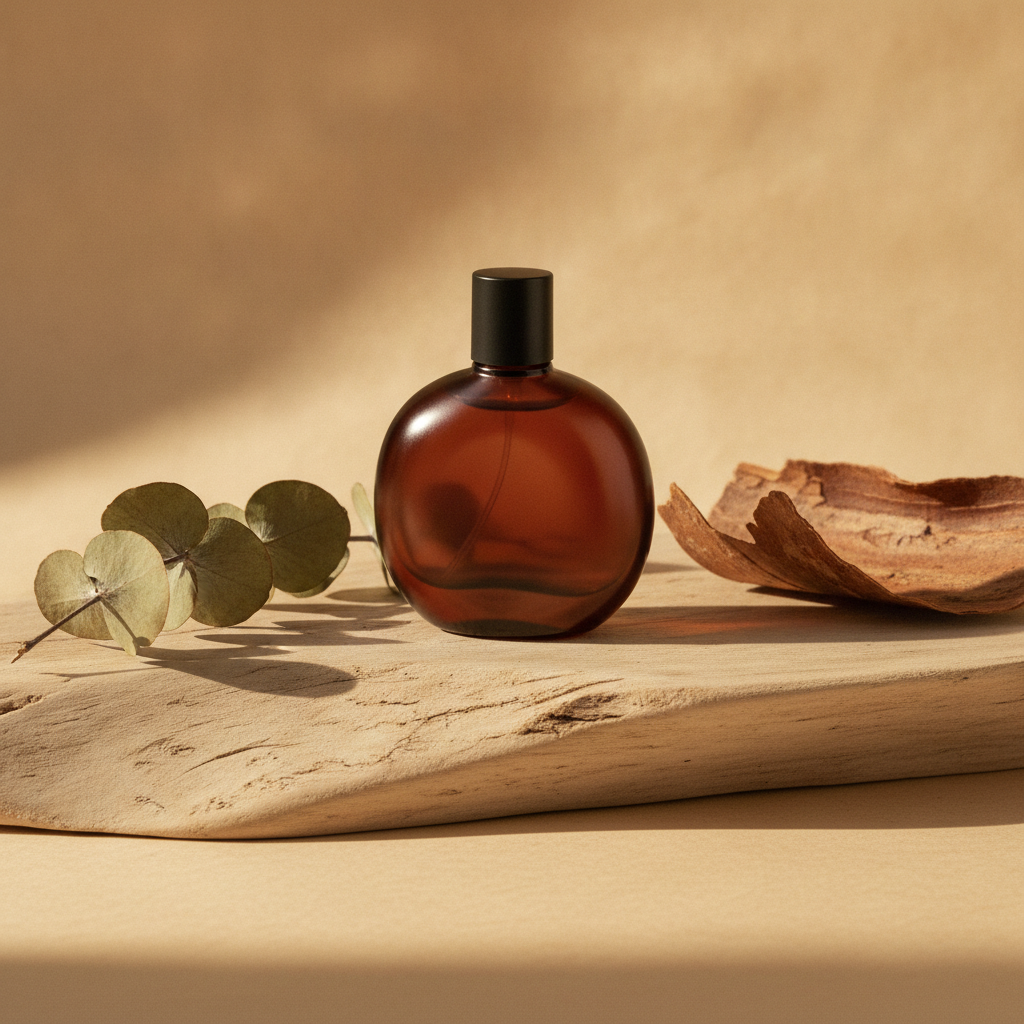
The challenge with this family is that the same category word can cover fragrances that smell nothing alike. "Woody" on a fragrance label tells you almost as much as "musical" would on an album — technically true, not very useful.
The better approach is to narrow by character first. Do you want something soft and skin-close? Something dry and clean? Something with smoke and earth? Something warm and resinous? Once you have a direction, you're no longer comparing across the whole family — you're shopping within one neighborhood.
It also helps to think about when and how you wear things. Cedar-forward scents tend to work well in professional settings. Sandalwood rewards close contact — it's a date-night or cold-weather scent more than a crowd scent. Vetiver carries well in warm weather because the earthiness stays interesting rather than going heavy.
If you want a shortcut, TheScentStyler's Atelier can take what you already love — or the mood or occasion you're building for — and suggest where in the woody family to look next. It's designed for exactly this kind of "I know the feeling I want, I just don't know what to reach for" moment.
Start with what pulls you in, wear it long enough to see how it dries down on your skin, and don't worry too much about categories. Woody is just a starting point. What matters is whether it feels like you.
Keep reading The Drydown
The Drydown publishes a new piece most days. If you’d like them quietly delivered, leave your email — no noise, just the writing.
One email per new piece. Unsubscribe anytime.