
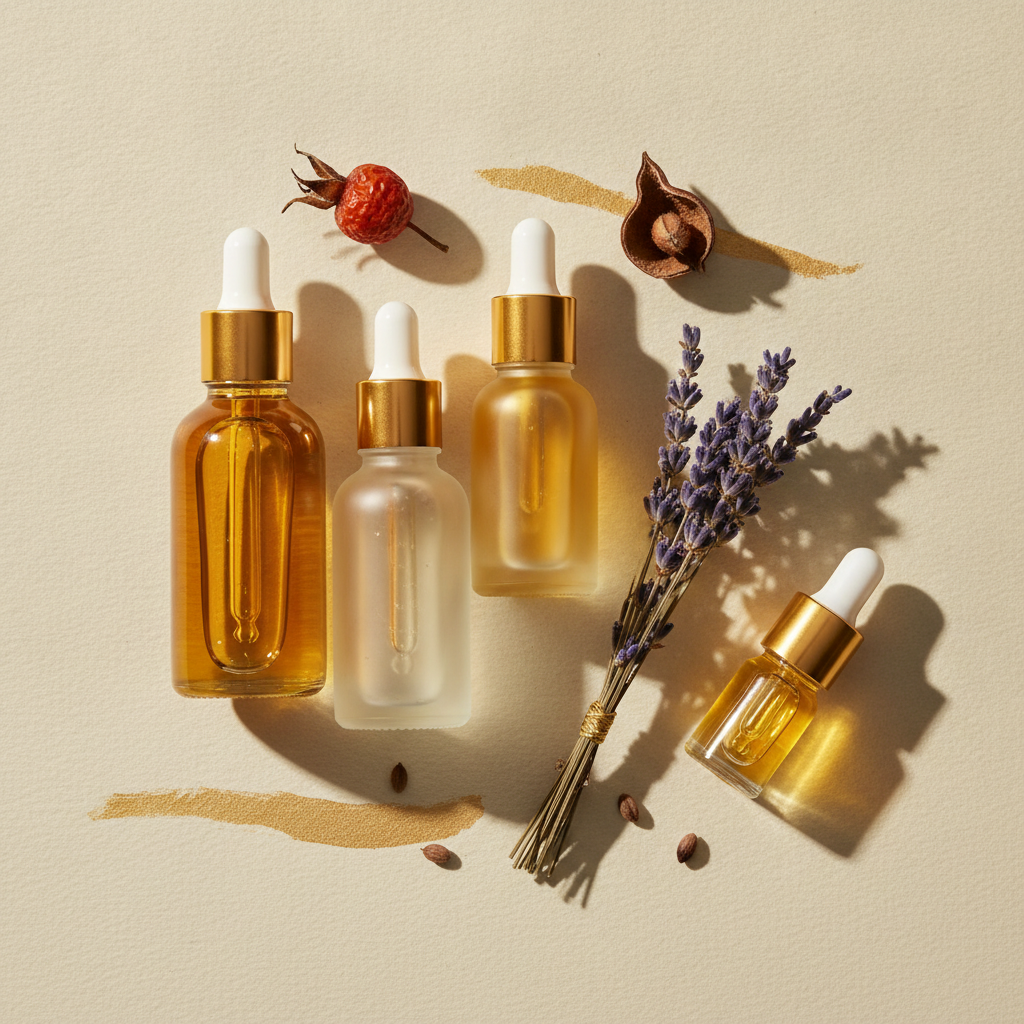
Perfume gets all the attention when people start worrying about what's going bad on their shelf. But if you use scented body oils — and a lot of devoted fragrance people do — those bottles deserve just as much scrutiny, and for a different reason.
Body oil doesn't go off the way perfume does. It goes off the way cooking oil does.
That distinction matters, because the smell of a turned oil is easy to miss if you don't know what you're looking for. And once you know, you can't unknow it.
Why Body Oil Ages Differently Than Perfume
Most alcohol-based fragrances degrade slowly. The alcohol acts as a preservative, oxidation takes years, and when a bottle finally turns, the scent usually just smells a little flat or sour — a sign it's past its best, but rarely dramatic. You can read more about how to tell when an alcohol-based fragrance has gone over to understand what that process looks like.
Body oils work on entirely different chemistry. The base isn't alcohol — it's a carrier oil, or often a blend of several. Jojoba, sweet almond, fractionated coconut, rosehip, argan. Each of these is a fatty oil, and fatty oils go rancid. That's not a storage failure or a manufacturing defect. It's just what fats do when they meet oxygen and time.
Rancidity is a chemical change. The fatty acids in the oil oxidize and break down into compounds with a distinctly unpleasant smell — often described as waxy, crayon-like, or like stale cooking oil. If you've ever opened an old bag of walnuts or let olive oil sit too long, you know the smell. It's unmistakable once you've encountered it.
The added fragrance in a scented body oil doesn't protect the carrier from going rancid. It often masks it — which is why people sometimes keep using a turned oil without realizing, because the top note still smells fine at first sniff.
How to Tell If Your Oil Has Turned
The sniff test is your best tool — but you have to be strategic about it.
Smell the oil on its own, without spraying anything else nearby first. If it has turned, you'll notice something behind the fragrance: a waxy, slightly sharp, or stale undertone. Sometimes it's more like cardboard. Sometimes it's aggressively crayon-like. It's not subtle once you tune into it.
If you're not sure, let the oil sit on your wrist for twenty minutes and smell it again. Rancid carrier oil tends to become more obvious as it warms on the skin. A good oil should smell cleaner as it settles. A turned one often gets worse.
A few other signs worth noting:
- Color shift. Some oils naturally deepen with age, but a sudden darkening or cloudiness in an oil that was clear before can signal degradation.
- Texture change. An oil that's thickened noticeably or developed a slightly tacky feel is worth questioning.
- Smell that won't improve. If the fragrance smells muted, flat, or strangely chemical even when the bottle is fresh out of the drawer, the base may have already gone.
One thing that often confuses people: separation. Many body oils — especially natural or preservative-free ones — will separate into layers if they've been sitting still. That's not spoilage. Give the bottle a gentle roll between your palms and see if it recombines. If it does, the oil is probably fine. If the layers don't fully recombine, or the oil smells off after mixing, that's a different story.
How Long Does Body Oil Actually Last?
It depends heavily on the carrier oil used and how the product is stored, but as a general guide:
Most commercial scented body oils will be at their best within 12 to 24 months of opening. Unopened, many are stable for two to three years, sometimes longer.
Oils rich in linoleic acid — rosehip, hemp seed, evening primrose — oxidize faster and may start turning within six to twelve months of opening. These are the ones most likely to catch you off guard because they're often marketed as "natural" and "skin-loving," which they are, but they're also more volatile.
Jojoba is famously stable. It's technically a liquid wax, not a true oil, and it can last significantly longer — sometimes three to five years when stored well. Fractionated coconut oil is also slow to turn. If your body oil uses one of these as the primary carrier, you have more runway — including in anything you make from it, like a whipped body butter built on the same carrier.

Storage That Actually Extends Shelf Life
Heat and light are the enemies. Both accelerate oxidation, which means a pretty bottle sitting on a sunlit windowsill or on a bathroom shelf above a steamy shower is the worst possible scenario.
Store body oils somewhere cool, dark, and stable — a drawer, a cabinet, a shelf in a room that doesn't get hot. If you live somewhere warm and you have high-linoleic oils, the fridge is genuinely worth considering. The texture will thicken slightly in the cold, but it returns to normal once it warms up.
Air exposure matters too. If your oil comes in a bottle with a loose or worn-out pump cap, transfer it to a smaller bottle so there's less empty space above the oil. Less air means slower oxidation.
If you keep a catalog of what you own — which is exactly what TheScentStyler's Librarian helps you do — it's worth noting the date you opened each oil alongside the bottle. Twelve months from now, you won't remember when you cracked it open. A quick note at the time saves you the guesswork later.
When to Let Go
This one is simple: if it smells off on your skin, stop using it. A rancid oil won't do you serious harm in most cases, but it's not doing your skin any favors, and wearing something that smells stale defeats the whole point.
The upside of body oils going rancid rather than just fading is that the signal is clear. Perfume that's past its prime often just gets quieter — you might keep wearing it for years without knowing. A turned oil announces itself. Trust that signal.
For more on building a scented body care routine that layers well with your perfume and actually lasts, applying things in the right order and pairing oils with your spray fragrance both make a bigger difference than most people expect.
If you want to get more deliberate about what you own and when you opened it, TheScentStyler keeps a living catalog of your collection — the Librarian fills in the details so you're not doing it from memory. It's a small habit that makes a real difference when you're staring at a bottle wondering how old it actually is.
Keep reading The Drydown
The Drydown publishes a new piece most days. If you’d like them quietly delivered, leave your email — no noise, just the writing.
One email per new piece. Unsubscribe anytime.