
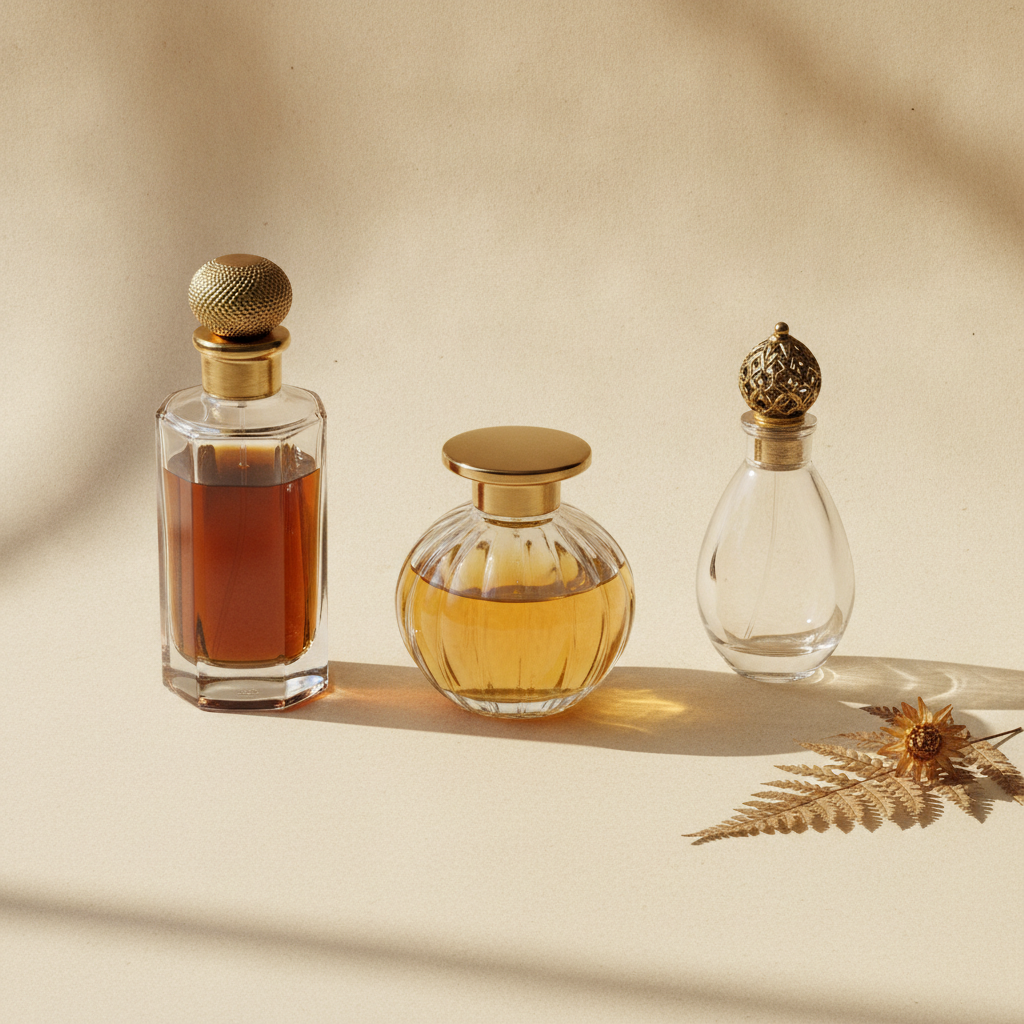
Most of us have a bottle somewhere we haven't touched in a while. Maybe it's one you loved, then drifted from. Maybe it's something inherited, or a gift you never quite bonded with. And at some point you pick it up and wonder: is this still good?
The honest answer is yes, perfume expires — or at least, it changes. Not in a way that makes it dangerous (usually), but in a way that means it no longer smells like itself. Here's how to think about the timeline, what speeds things up, and how to tell when a bottle has genuinely turned.
The Real Shelf Life
Unopened, most fragrances will hold their character for three to five years. Some last longer — heavy orientals and ouds, built around resins and woods, can age gracefully for a decade or more. Light, fresh scents — citrus-forward, aquatic, anything built primarily on top notes — tend to be more fragile and can start shifting within a couple of years.
Once you open a bottle, the clock starts. Exposure to air is one of the main culprits. Every time you spray, a little oxygen gets into the juice and begins the slow process of oxidation. A bottle you use regularly and finish quickly is actually safer than one that sits half-empty on a shelf for years.
That said, "expired" isn't always a cliff edge. It's a gradual change — and whether it matters depends on how much the fragrance has shifted and how much you care.
What Makes a Bottle Turn Faster
Three things degrade perfume more quickly than anything else: heat, light, and air.
Heat accelerates chemical reactions. A bottle that lives in a warm bathroom, near a radiator, or on a sunny windowsill will age faster than one stored somewhere cool and stable.
Light — especially direct sunlight and UV — breaks down fragrance molecules. This is why so many classic bottles are made from dark or opaque glass. Clear bottles look beautiful but offer less protection.
Air matters most once a bottle is open. The more headspace (the gap between the juice and the top of the bottle), the more oxygen is in contact with the fragrance. A bottle that's three-quarters empty has more air than one that's nearly full.
Alcohol concentration plays a role too. Higher-concentration formats like extrait de parfum often have less alcohol and more raw fragrance material, which can make them more susceptible to oxidation. Meanwhile, the alcohol in an eau de toilette can actually act as a mild preservative.
How to Tell If a Bottle Has Turned
The clearest signs are smell and color — and in most cases your nose is the better judge.
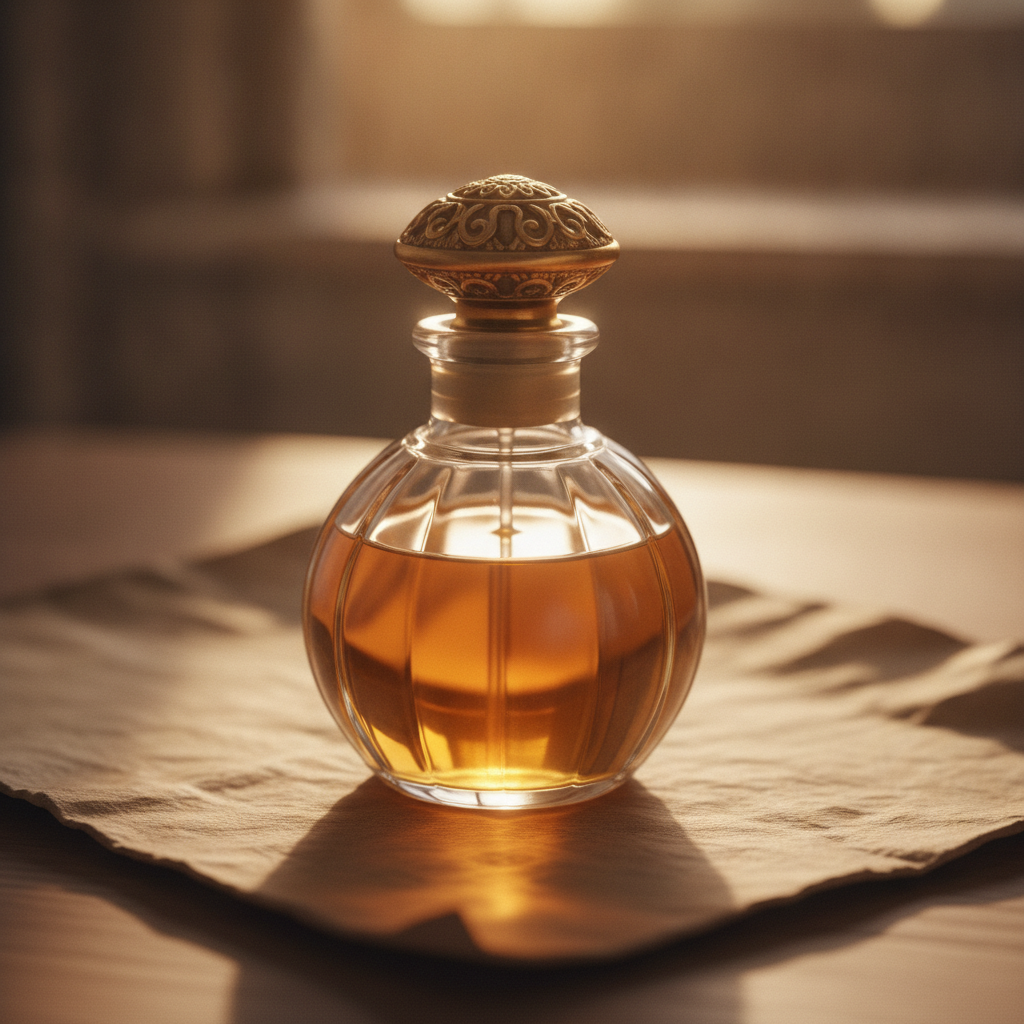
Smell. A turned fragrance often smells sour, sharp, or vinegary where it didn't before. The opening may smell flat or chemical, lacking the brightness you remember. Sometimes it just smells "off" in a way that's hard to name but immediately obvious. If you have to ask yourself whether it smells right, it probably doesn't. Trust that instinct.
Color. Many fragrances will naturally darken slightly over time — this is normal and doesn't automatically mean a bottle is bad. But if a pale or clear juice has gone noticeably dark amber or brown, that's a sign of significant oxidation. The change in color and the change in smell tend to track together.
Texture. This is rare, but some fragrances — particularly older ones or those with natural animal-derived ingredients — can thicken or become slightly cloudy. That's worth paying attention to.
One thing that doesn't tell you much: the date on the bottom of the bottle. The PAO symbol (the little open-jar icon with a number inside, like "24M") refers to a period-after-opening guideline set by the manufacturer. It's a conservative estimate, not a hard expiry. A bottle stored well can outlast it; one stored badly might not make it.
Which Types Last Longest
As a general rule: the heavier and richer the fragrance, the more staying power it has in the bottle. Amber, oud, musk, wood, and resin-based compositions tend to hold well and can even improve with a little age. Natural musks mellow. Certain woods deepen.
Citrus, green, and light floral scents are more delicate. Their top notes — the bright, volatile ones that hit you first — are exactly what's most vulnerable to time and air. These are the fragrances worth finishing before they drift.
The Case for Knowing What You Own
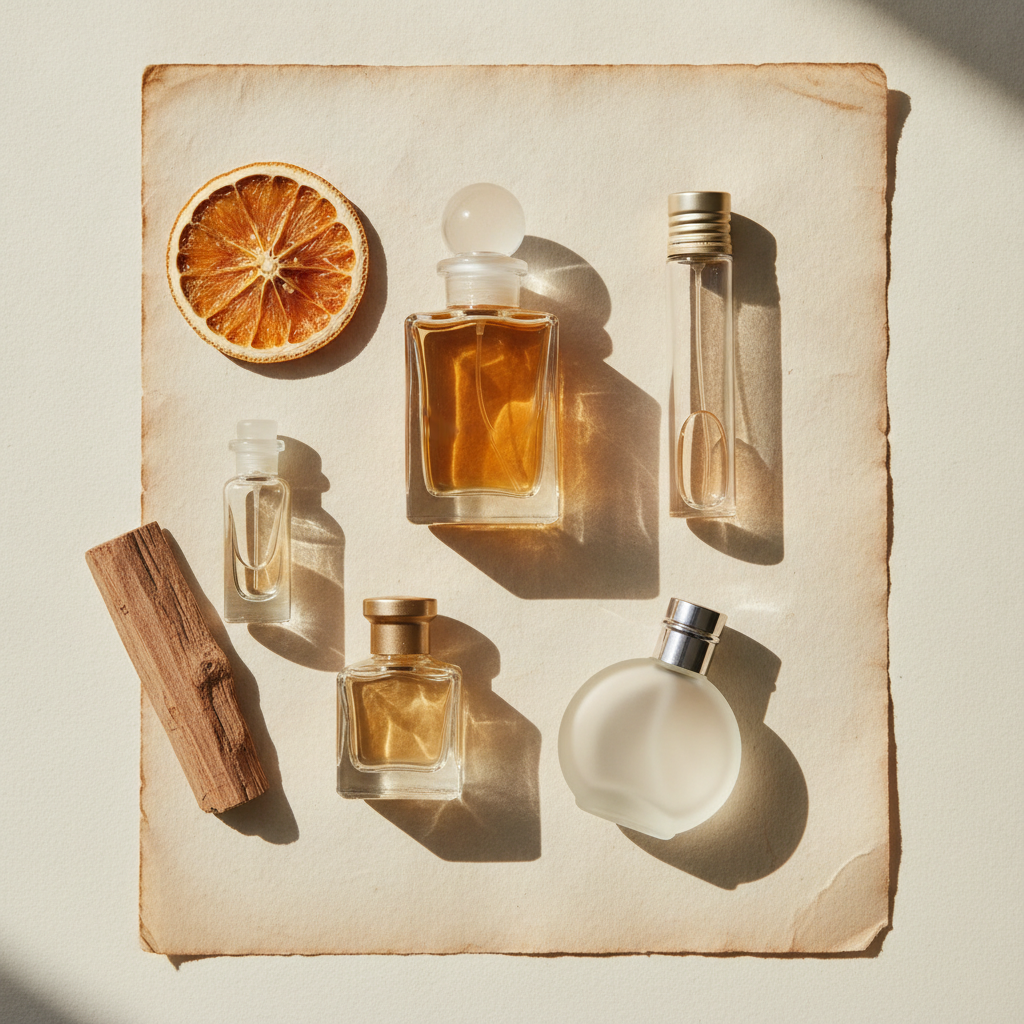
Here's where it gets practical. Most people don't know exactly when they opened a bottle, how many bottles are more than half empty, or which ones have been sitting in less-than-ideal conditions. That kind of blind spot is exactly how you end up with a collection full of unknown quantities.
Keeping a catalog with open dates, storage notes, and occasional check-ins changes that — and it's the kind of thing the TheScentStyler app's Librarian makes easy, pulling in a fragrance's details so you're not starting from scratch every time you add something.
Knowing what you own, and when you opened it, is the first step to actually managing it.
If you've got a bottle you're not sure about, trust your nose first. And if you want to start tracking your collection properly — open dates included — the TheScentStyler app gives you a place to do exactly that, with the Librarian filling in the details for each fragrance you add.
Keep reading The Drydown
The Drydown publishes a new piece most days. If you’d like them quietly delivered, leave your email — no noise, just the writing.
One email per new piece. Unsubscribe anytime.