
There's a moment many fragrance lovers recognize: you smell something on a stranger, something bold and fruity and slightly smoky, and you think, that has to be Aventus. Maybe you were right. Maybe it was a clone. But the pull was real, and you couldn't stop thinking about it for a week.
Creed is one of those houses that makes otherwise rational people spend $500 on a bottle without hesitation — or dig their heels in and insist the whole thing is theater. Both reactions make sense. Creed invites them. The question worth sitting with, especially if you're considering Aventus, isn't whether it's famous. It's whether it's yours.
The Heritage Story — What Creed Says, and What It Means
Creed's backstory is part of the product. The house claims to have been founded in 1760 by a London tailor named James Henry Creed, eventually passing to French royal courts, then through seven generations of the Creed family to the present day. It's a beautiful story. You'll find it everywhere the brand is mentioned.
What's harder to verify is exactly how much of that lineage shaped the liquid in your bottle. Most fragrance historians are cautious here — the archival record is thinner than the marketing suggests. What is verifiable: Olivier Creed, who ran the house through its modern peak, genuinely cared about materials. The quality of ingredients in their flagship fragrances, Aventus especially, has been consistently noted by people who know what expensive naturals smell like on skin.
This matters because when you pay for Creed, you're paying for two things: the story and the materials. They're not equally easy to evaluate. The materials, you can smell. The story, you're choosing to believe.
If you want a broader frame for thinking about this kind of purchase, the piece on what you're actually paying for in niche versus designer fragrance lays it out clearly.
What Aventus Actually Smells Like
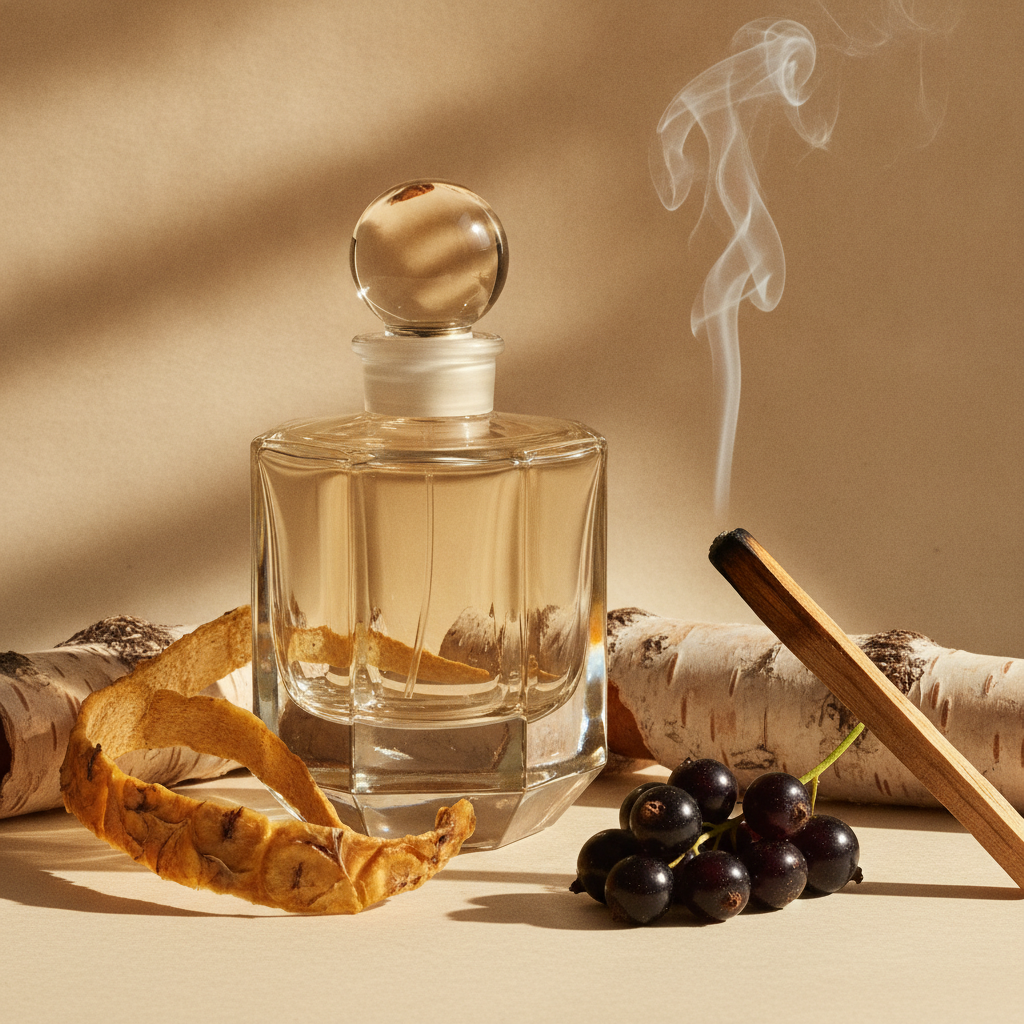
Strip the mythology and Aventus is a fruity-smoky chypre. The opening is loud — pineapple, mostly, bright and slightly tart, with blackcurrant underneath that keeps it from going tropical-sweet. Then it settles into something more complex: a birch tar smokiness, apple, a little rose, base notes of oakmoss and musk that give it weight and staying power.
The effect, when it works, is striking. It reads as confident without being loud, fresh without being thin, and masculine without being aggressive. It has real projection in the first few hours and dries down into something that wears close to the skin but lingers.
What makes Aventus hard to evaluate is how many people it smells slightly different on. Pineapple is a volatile top note — it burns off quickly, especially in warm weather. On some skin, what's left is smoky and dry. On others, the apple and musk dominate and it reads sweeter. This isn't a flaw; it's just how fragrance works. But it makes second-hand descriptions less useful than usual. More on that below.

The Batch Variation Question
If you spend any time in fragrance communities, you'll hear about Aventus batches. Different production runs — identified by a code on the bottle — can smell noticeably different. Some people swear certain batches are smokier, others fruitier, others just better overall. There are spreadsheets. There are arguments.
Here's the plain version: batch variation in Aventus is real, but its importance is often overstated. Natural ingredients vary by harvest, just like wine. Oakmoss usage has also been restricted under EU regulations over time, which changed the profile of many classic fragrances including this one. These aren't conspiracy; they're the ordinary constraints of working with naturals and navigating ingredient law.
What this means practically: you may smell an old bottle at a friend's place and find it richer or smokier than the current retail version. That gap is real. But the current formula is still a very good fragrance. The batch hunters are chasing something specific; you don't have to join that hunt to enjoy Aventus.
How It Compares to the Clones
This is where honesty matters most. There are now dozens of Aventus-inspired fragrances ranging from $30 to $150, and some of them are excellent. Armaf Club de Nuit Intense is the most famous — it's smokier, less nuanced, missing some of the dry-down complexity, but unmistakably in the same territory. Lattafa and Oakcha both have their versions. There are affordable fragrance houses built almost entirely on this kind of smart interpretation.
If the goal is smelling like Aventus, you can get very close for much less money. If the goal is wearing Aventus specifically — the materials, the longevity, the way it moves through its stages, the weight of the base — then the gap is real. Whether that gap is worth $300 to $500 depends entirely on how much the specific experience matters to you.
There's no shame in either answer.
Who Aventus Actually Suits
Aventus is often described as a "masculine" fragrance, and it does read that way on many people — assertive, structured, a little formal. But it's been worn across genders for years without anyone looking confused.
It suits people who want something that projects without being sweet, that has a clear personality without being difficult. It works well in cooler weather and in professional settings where you want to be noticed but not discussed. If you tend toward light, skin-close scents or very sweet gourmands, Aventus will probably feel like a lot. If you gravitate toward woody, resinous, or smoky fragrances, it's worth exploring.

Before You Spend That Much
One practical note: Aventus is genuinely different at hour one versus hour four versus hour eight. The pineapple opening is striking, but the drydown is where it earns its reputation. If you test it on paper and decide in five minutes, you're missing the point. Testing a fragrance properly across a full day on skin is always worthwhile — with something at this price, it's essential.
A decant is usually the right move before committing to a full bottle. You can live with it for a week, wear it in different temperatures, and find out whether it's your version of Aventus before you're holding an empty bottle you regret.
So: Is It Worth It?
For some people, yes. The materials are genuine, the performance is real, and Aventus has a profile that's hard to replicate exactly even when others try hard. If you reach for it regularly, it earns its price across time.
For others, a well-chosen clone at a fifth of the cost will do what they actually need it to do, and the difference will matter to almost no one around them.
What Creed is genuinely selling — beyond the liquid — is a specific relationship with quality, heritage, and the idea that your fragrance comes from somewhere. That's worth paying for if it means something to you. It's not worth paying for if it doesn't.
The fragrance itself deserves to be evaluated on what it smells like on your skin, in your day, on your terms. That's the only honest way to make this call.
If you're building out a collection and want to understand how Aventus fits alongside other things you own — or might own — TheScentStyler's Atelier can suggest what pairs well with it and what might be redundant given what you already have. It's a useful way to think about a purchase like this before you make it.
Keep reading The Drydown
The Drydown publishes a new piece most days. If you’d like them quietly delivered, leave your email — no noise, just the writing.
One email per new piece. Unsubscribe anytime.