

Most people arrive at Diptyque through a candle. Maybe it was the Baies on someone's bathroom shelf — that dark, almost jammy rose-and-blackcurrant smell that somehow made a stranger's apartment feel aspirational. Or the Feu de Bois, which smells more like a real fireplace than any candle has a right to. You burn through one, you buy another, and eventually you start wondering: should I try the perfume?
It's a fair question, and a slightly complicated one. The candles and the fragrances come from the same house, but they don't always feel like the same brand. Here's what to actually expect.
The house, briefly
Diptyque was founded in Paris in 1961 — originally a fabric and wallpaper shop, which explains a lot about the aesthetic. The oval labels, the slightly literary product descriptions, the sense that everything has a backstory. They moved into candles, then perfume, and built a loyal following in both categories without ever trying to be the loudest house in the room.
They sit in the niche-adjacent space — expensive enough to feel considered, but not as stratospheric as some. A 75ml eau de parfum typically runs around $185–200, which puts them in the same conversation as Byredo and Le Labo rather than the ultra-rarified tier.
Why candle people sometimes feel let down
Here's the honest thing about Diptyque candles: they tend to be more vivid than the perfumes. That's partly just chemistry — a candle can throw a bolder, more saturated version of a scent than something designed to wear close to skin. When you love Baies and then smell the Baies perfume, it can feel quieter, more abstract. Not worse, exactly. Just different in a way you weren't expecting.
The perfumes also lean less literal than you might hope. They're not trying to smell like the candles in wearable form. They're doing something more restrained and skin-focused — which is either a pleasant surprise or a disappointment depending on what you were hoping for.

Four perfumes worth knowing
Philosykos is the one that candle people tend to love most, and for good reason. The fig note here is genuinely unusual — it's not just the sweet fruit, it's the whole tree: the milky sap in the bark, the green bitterness of the leaves, the woody stem. If you've burned the Figuier candle and loved it, Philosykos is the closest the perfume line gets to that feeling. It's fresh without being sharp, natural without being dull. Worth trying first if you're a fig person.
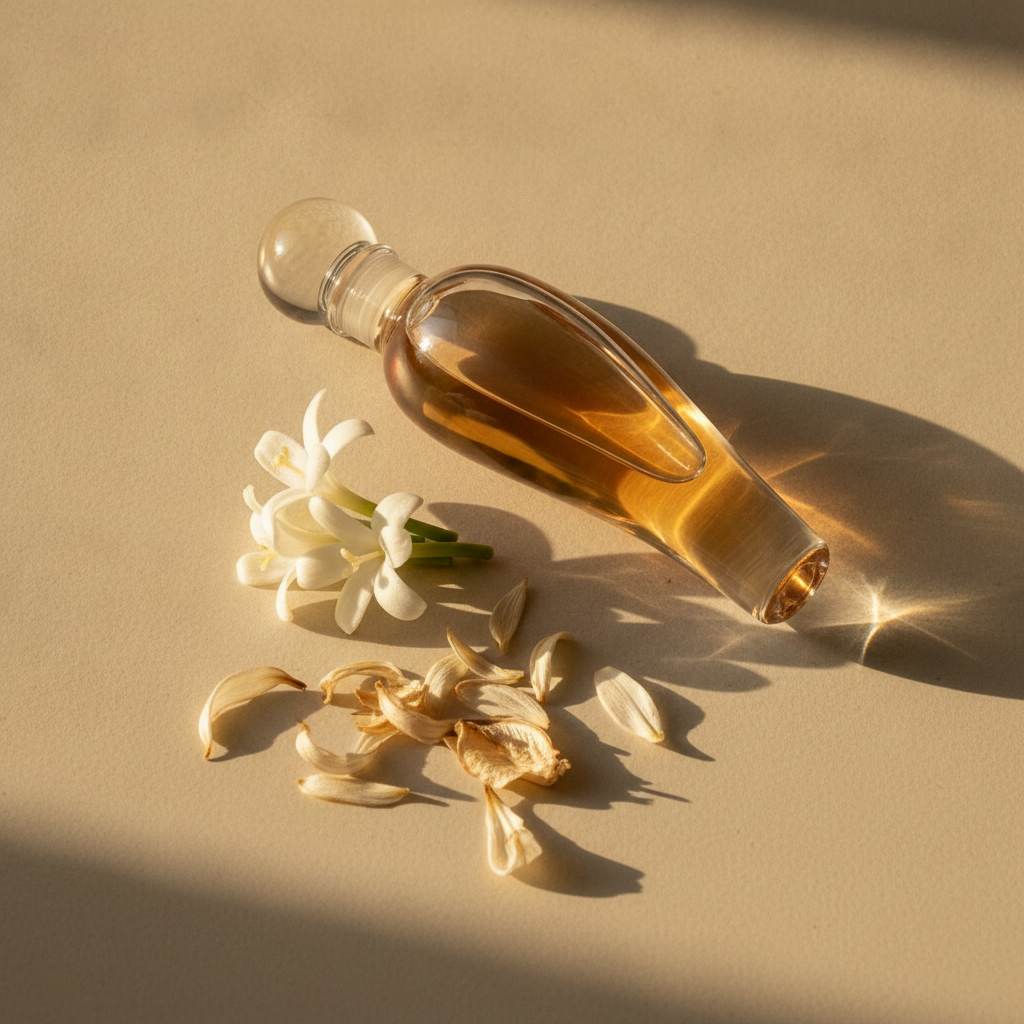
Do Son is a different mood entirely — a white floral built around tuberose, softened with a watery note that keeps it from going heady or retro. It's the kind of perfume that smells like being near the ocean in someone else's garden. Lighter and more summery than Philosykos, and more clearly feminine in its register (though that shouldn't stop anyone). If Philosykos is the garden, Do Son is the breeze off the water.
Fleur de Peau is arguably the most technically accomplished thing Diptyque makes. The name means "skin flower," and that's genuinely what it smells like — a musky, soft iris that reads almost like clean skin with something floral just underneath. It's the kind of scent that makes people ask what you're wearing without being able to describe it. If you want something that functions more like a skin scent than a statement, this is the one. Worth noting: the concentration matters a lot here, and it's worth reading up on what EDT vs EDP actually means in practice before you choose a format.
Orphéon is the outlier — a cedar and iris perfume with some vetiver underneath that leans unisex and slightly smoky. It was inspired by a Parisian bar, and you can feel that: it's darker, drier, and more social than the others. If the rest of the line feels a little too delicate for you, Orphéon is where the more assertive personality lives.
So is it worth it?
If you're expecting the perfumes to be the candles in wearable form — probably not, at the price. That gap between what the candle does and what the perfume does can feel disappointing if you go in expecting one and get the other.
But if you're open to what they actually are — restrained, skin-focused, with a kind of Parisian quietness to them — then yes, genuinely. Philosykos and Fleur de Peau in particular are hard to find equivalents for. They do something specific that not many houses attempt, and they do it well.
The safe way in is a decant. Most fragrance communities have splits available, and at Diptyque's prices, trying before committing is the obvious move. If you're not sure how decants work, it's a simple concept — basically a sample portion of a full bottle — and worth understanding before you spend $200 on a blind buy.
If you land on something you love, the Atelier feature in TheScentStyler is worth knowing about — it's built to suggest what pairs well with a fragrance you already own, which can be genuinely useful when you're trying to figure out what else in the Diptyque line might suit you, or whether a candle and a perfume you love could actually work together.
The house rewards attention. It just doesn't always announce itself the way the candles do.
Keep reading The Drydown
The Drydown publishes a new piece most days. If you’d like them quietly delivered, leave your email — no noise, just the writing.
One email per new piece. Unsubscribe anytime.