
Parfums de Marly is worth it if you want a polished, long-lasting fragrance with real projection — the performance and the material quality are both genuine, and the bottles hold their resale value. At $300 to $400 it is not worth it if you prefer light, airy or minimalist scents, because the house skews sweet, warm and rich.
You're standing in a department store, or maybe you've been sucked into a rabbit hole online, and you're looking at a bottle of Layton or Delina. The cap is gold. The flacon is heavy. The price is somewhere between $300 and $400 for a full bottle. And you're doing the mental math.
That math is worth doing carefully — because Parfums de Marly occupies a genuinely interesting place in the fragrance world. Not quite stratospheric niche, not quite designer, but priced like it could be either. Here's what you actually need to know.
The House, Briefly
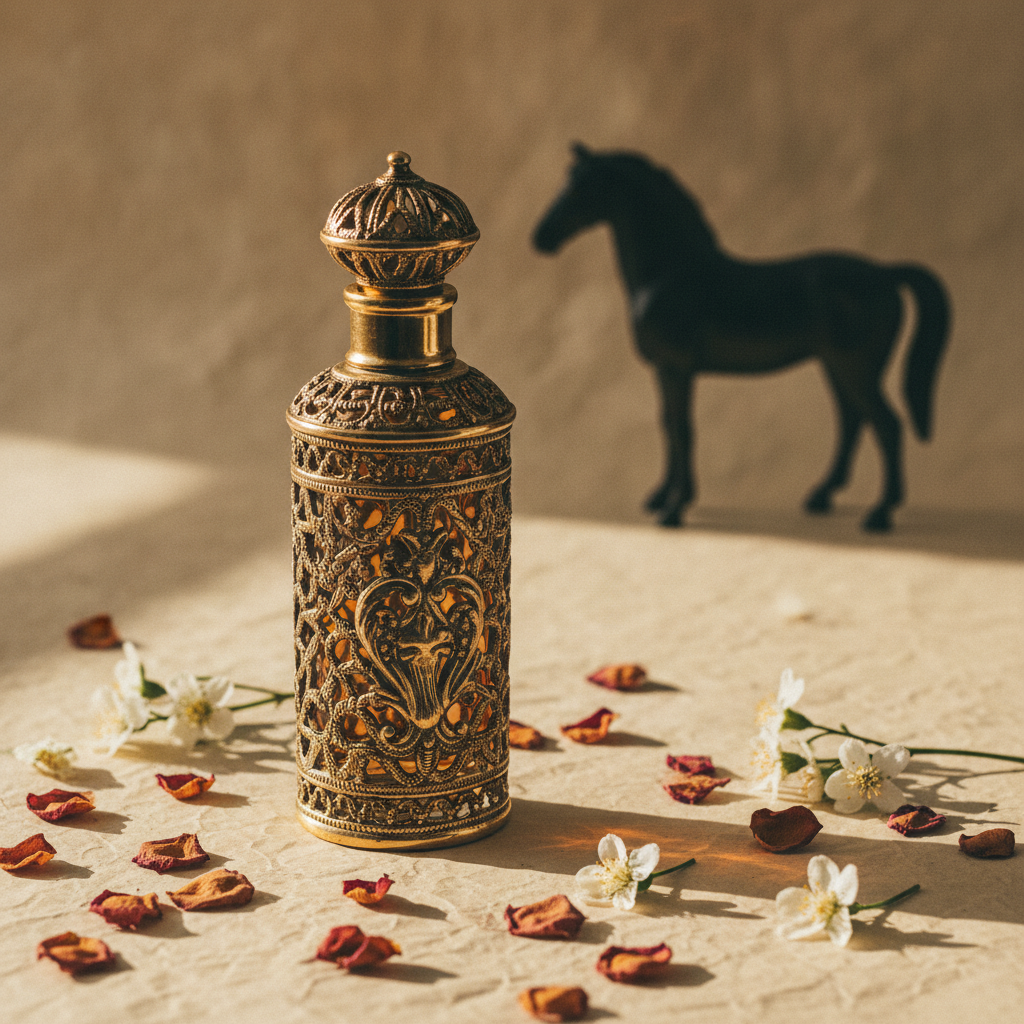
Parfums de Marly was founded in 2009 by Julien Sprecher, built around the aesthetic of the French royal court at Marly-le-Roi — a hunting estate Louis XIV used as a more private retreat from Versailles. The branding leans hard into that: horses, gilt, livery green, a sense of aristocratic leisure. It's theater, and it's well-executed theater.
What matters more than the backstory is what the house actually does with fragrance. The short version: they make rich, polished, crowd-pleasing compositions with strong performance. There's a house style — generous with sweetness, confident with projection — and most of their big sellers fit that mold comfortably.
They're not avant-garde. If you're looking for something challenging or strange, this isn't really the house for you. What they do, they do very well.
The Big Four (And What They Actually Smell Like)
If you're new to the house, you'll probably encounter the same four names over and over. Here's an honest take on each.
Layton is their bestseller for good reason. It's an apple-and-vanilla masculine — warm, smooth, a little creamy, with a woody base that keeps it from reading as a dessert, which is what the base of a fragrance pyramid is actually for. It has that rare quality of smelling expensive without being hard to wear. A lot of people describe it as polished without being stiff, and that's accurate. It projects well and lasts a long time.
Delina is their flagship feminine — or at least the one that gets the most attention. It's a rose-forward floral with a powdery, slightly soapy quality and a warm, slightly sweet base. It's pretty in the best sense of the word, and it wears close enough not to overwhelm a room. Some find the powder too much; others find it exactly right. Skin chemistry matters a lot here, as it does on almost every fragrance you test.
Pegasus is where the house's fondness for vanilla really comes forward. It's built around almond and vanilla with a white floral heart, and it reads as warm, gourmand-adjacent without being heavy. It's cozy without being suffocating — the kind of thing that works well in cooler months. If you've been curious about fragrances that feel like sweater weather, Pegasus is a strong example of that category done at a high level.
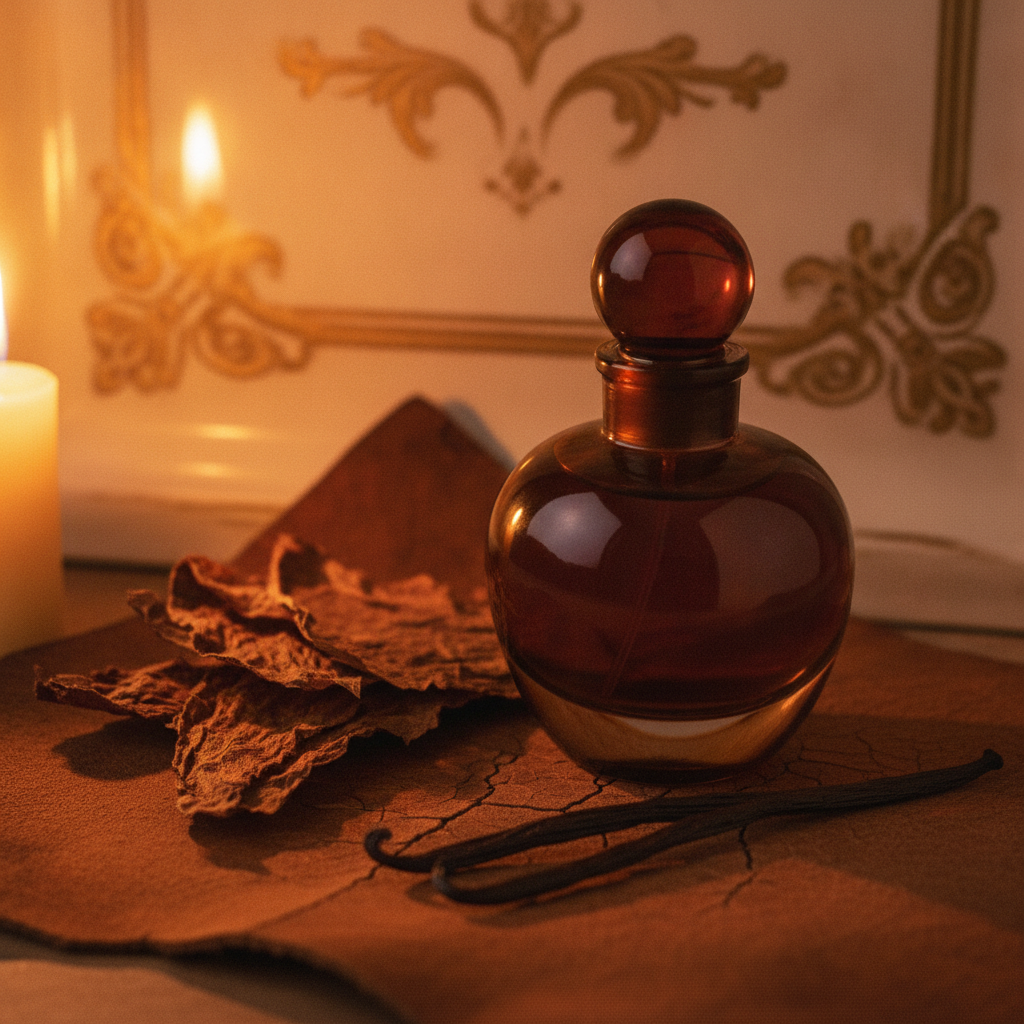
Herod is the darkest of the four. Tobacco and vanilla, with a creamier, slightly spiced quality underneath. It's warm and rich in a way that feels more deliberate than the others — less crowd-pleasing by design, more character-driven. People who love it tend to love it.
The Case For the Price
Here's the honest argument in favor of spending the money.
Performance is real. Parfums de Marly bottles are concentrated, and they behave like it. Layton, Pegasus, and Herod in particular are known for serious longevity and projection. How much that matters depends on your skin — some people prioritize a scent that announces itself; others want something quieter. But if you've ever bought a beautiful fragrance that faded by noon, you'll understand why performance feels like part of the value proposition here.
Quality of materials. These smell expensive because they are, in part, expensive to make. The smoothness you notice in Layton isn't just blending — it reflects the quality of what went into the bottle. You're paying for that.
They hold resale value. If you buy a full bottle and decide it's not for you, Parfums de Marly bottles move. That's not nothing when you're spending $350.
The Case Against
The counterargument is also real, and you deserve to hear it plainly.
Inspired versions exist and are good. Armaf's Club de Nuit Intense is the famous example of a Creed Aventus-inspired juice done cheaply — and the Parfums de Marly world has its own equivalent versions floating around. If Layton is your target, houses like Armaf have made similar warm-woody compositions at a fraction of the price. They don't smell identical, but they scratch a similar itch. For some people, that's enough.
The house style might not be yours. If you tend toward light, airy, or minimalist scents, Parfums de Marly probably isn't your happy place regardless of price. They skew sweet, warm, and rich. That's not a criticism — it's just worth knowing before you spray.
Price creep is real. The bottles have gotten more expensive over the last several years, and not proportionally to any change in the juice. You're partly paying for the moment the brand is in, and that premium is worth being clear-eyed about.
How to Actually Decide
The best thing you can do before spending this kind of money is test properly — on your skin, not a strip, and ideally for a full day. Testing on paper tells you almost nothing about how something dries down on you. Most department stores that carry Parfums de Marly will give you a sample if you ask; a lot of online decant communities sell them inexpensively.
The other thing worth doing is being honest with yourself about what role this bottle would play. A special occasion scent you'll reach for twenty times a year is a different calculation than a daily driver you'll burn through quickly. If it's the latter, the cost-per-wear math gets much more favorable.
If you already own a few bottles and you're trying to figure out where Parfums de Marly fits alongside what you have — or what complements Layton, or what you'd actually reach for if you bought Herod — the Atelier feature in TheScentStyler is designed for exactly that kind of thinking. You put in what you own and what you're drawn to, and it helps you find what would actually add something new rather than overlap with what's already on your shelf.
The Short Answer
Is Parfums de Marly worth it? For a lot of people, yes — if what you want is a polished, long-lasting, beautifully made fragrance that turns heads without being aggressive. The performance is real, the quality is real, and the house has a consistent point of view.
But it's not worth it just because the bottle is beautiful or because someone on the internet told you Layton changed their life. Go smell it. Wear it for a day. Then decide.
Keep reading The Drydown
The Drydown publishes a new piece most days. If you’d like them quietly delivered, leave your email — no noise, just the writing.
One email per new piece. Unsubscribe anytime.