
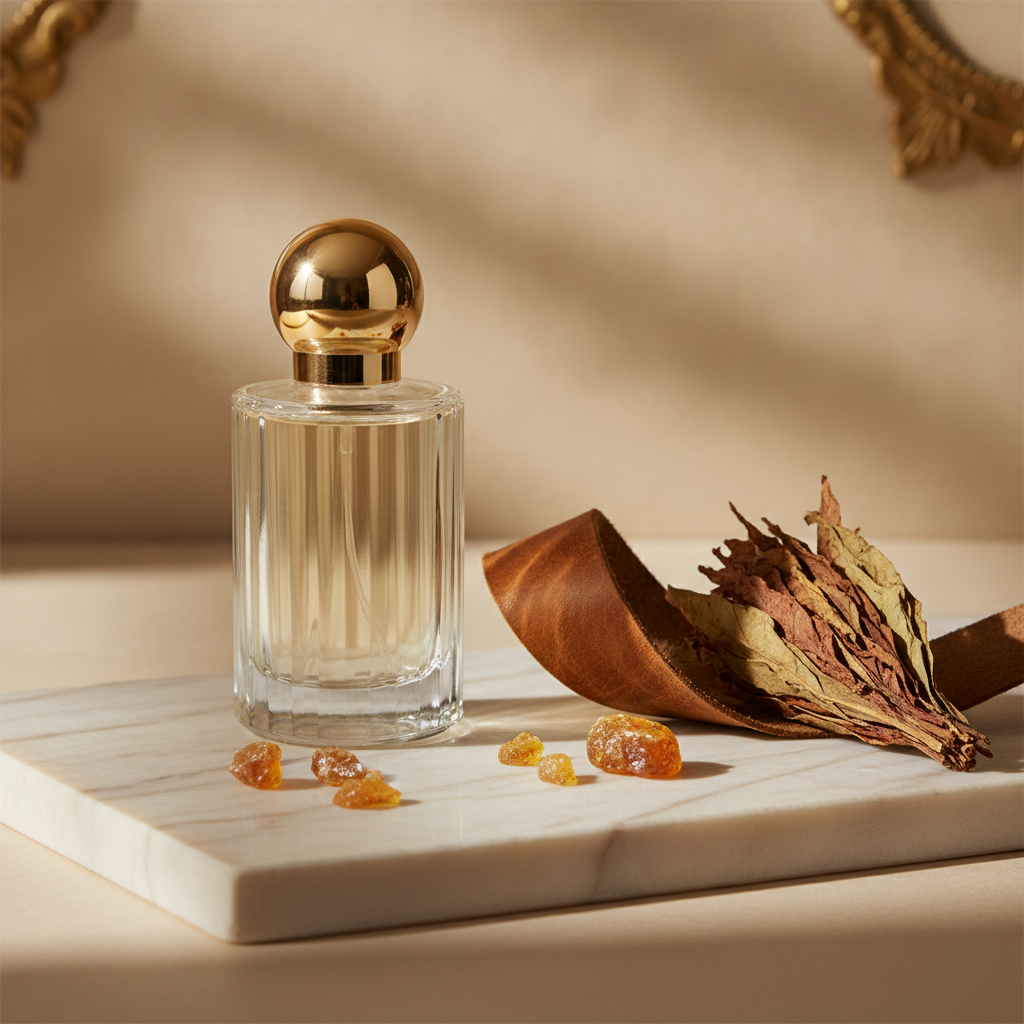
Picking up a Xerjoff bottle in a store feels like a small event. The weight of it, the finishing on the cap, the way it sits in your hand — it communicates expense before you've even sprayed anything. Then you see the price tag, and the question arrives right on schedule: is this actually worth it, or am I paying for the object?
That's a fair question. And it deserves a straight answer.
Who Xerjoff Is
Xerjoff was founded in Turin, Italy in 2003 by Sergio Momo, a jeweler by training. That background matters. From the start, the house was conceived less as a perfumery and more as a luxury object atelier — something closer to a watchmaker than a traditional perfume house. The bottles, the presentation, the packaging: all of it is considered with the same seriousness as the juice inside.
Turin is not Paris, not Grasse. Momo wasn't coming from the traditional perfume establishment. He came from fine objects, and he built a house around that sensibility. The fragrances themselves are created with external perfumers — the same way most houses work — but the brief and the positioning are distinctly Xerjoff: opulent, Italian, unapologetically expensive.
The house has expanded significantly since the mid-2000s and now runs multiple collections at different price points, which is worth understanding before you spend anything.
The Collections, Briefly
Xerjoff's lineup is organized into tiers, and the price differences between them are real.
Casamorati is the entry point — an older Italian brand Momo acquired and relaunched. These tend to be softer, more classically European, and considerably more affordable than the main Xerjoff line. If you want to understand the house without the full commitment, this is where to start.
The XJ 1861 line sits in the middle — named for the year of Italian unification, built around rich, romantic compositions. Naxos lives here.
The Shooting Stars and Orchestra collections are the upper tier, often featuring rarer materials and more elaborate packaging. Alexandria II is here. These are the bottles that make the price tag stop you cold.
What the Famous Ones Actually Smell Like
Naxos is probably the fragrance most people encounter first, and for good reason. It's built around honey, tobacco, and lavender — a combination that sounds odd but lands as something warm, rich, and enveloping. Think of a fine Italian bakery crossed with an old leather armchair. It leans sweet but not cloying. It has real depth as the scent settles through its drydown, and it performs well — good projection in the early hours, a warm skin-close finish later. On most people, it's genuinely lovely.
Erba Pura sits at the other end of the spectrum. This one is bright, fruity, almost solar — there's a sweetness to it that reads as carefree rather than heavy. It tends to get described as a crowd-pleaser in the best sense: accessible, uplifting, broadly likeable. If Naxos is a candlelit dinner, Erba Pura is a summer afternoon.
Alexandria II is the house's most discussed fragrance and one of its most polarizing. It's an oud-based fragrance — if you're unfamiliar with that note, there's a useful plain-language guide to oud here — layered with rose, saffron, and vanilla in a way that reads as intensely rich and almost ceremonial. People either find it transcendent or overwhelming. It projects seriously. It lasts. It is not quiet.

Why It Costs What It Costs — and What That Means
There are two honest reasons Xerjoff costs what it costs, and they are not equal in weight.
The first is materials and concentration. Xerjoff uses high-quality raw materials — natural extracts, quality synthetics — and most of their fragrances are extrait or high-EDP concentration. As the difference between concentrations explains, more fragrance oil per milliliter means more cost in the bottle and generally more longevity on your skin. This part of the price is real and shows up in wear.
The second is the object itself. The bottles, the caps, the packaging — these are genuinely beautiful. Momo comes from jewelry, and it shows. But beautiful packaging costs money, and that cost is in the price whether you value it or not. If you are someone who keeps your bottles on display and feels something every time you pick one up, that cost makes sense. If you decant into an atomizer for daily use and never look at the bottle again, you are paying for something you won't use.
Neither approach is wrong. But it's worth knowing which one you are.
Who Xerjoff Is Actually For
Xerjoff is for people who want their fragrance to feel like a considered luxury object — the full experience of the bottle, the ritual, the performance. The best fragrances in the lineup (Naxos especially) deliver genuinely beautiful compositions that hold up against anything else at similar price points. You're not being taken advantage of.
But if your goal is purely the smell — the best possible juice for your money — there are other niche houses that put every dollar into the fragrance and none into packaging, and they are excellent. Xerjoff is for the person who wants both.
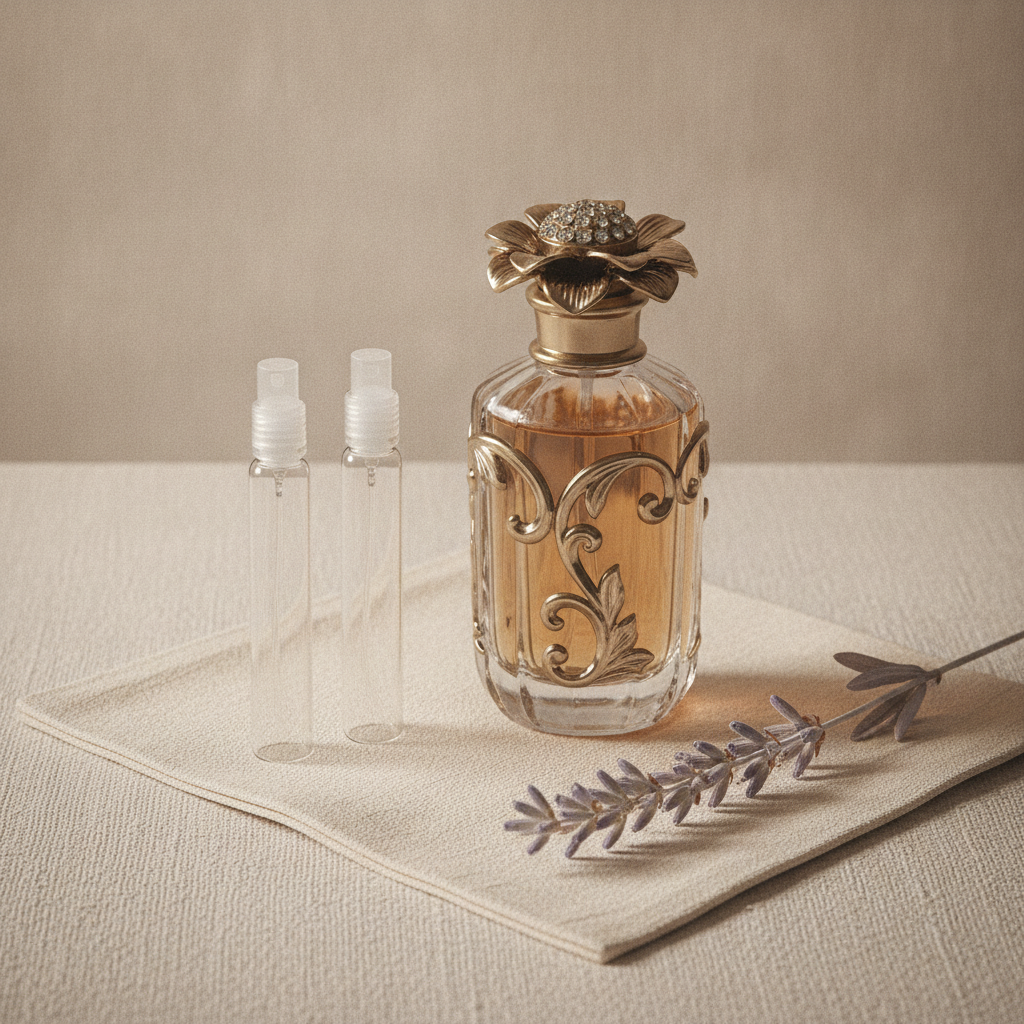
It's also worth saying: if a Xerjoff fragrance is calling to you but the price gives you pause, there is almost always a way to try it properly before committing. Decants exist for exactly this reason, and understanding how decants work before spending three figures on a full bottle is straightforward common sense, not a compromise.
The Question Underneath the Question
Most of the time, "is this worth it" is really asking something more personal: will this be worth it for me?
That answer depends on what you're drawn to — warm and rich, or light and bright — and how a fragrance actually behaves on your skin. Naxos on one person can be transcendent; on another, the honey reads too sweet to wear comfortably. Skin chemistry is real, and a house at this price point deserves to be tried, not bought blind.
The best way to figure out your fit — before committing — is to spend some time with what you already love and map the patterns. If you're keeping a proper catalog and noting what worked and why, that clarity comes faster than you'd expect.
TheScentStyler's Atelier is built for exactly this: you tell it what you wear and what you love, and it can suggest where a house like Xerjoff might fit in your rotation — and which fragrance in their lineup to try first. If you're staring at a three-figure bottle and second-guessing yourself, that's a good place to start.
Keep reading The Drydown
The Drydown publishes a new piece most days. If you’d like them quietly delivered, leave your email — no noise, just the writing.
One email per new piece. Unsubscribe anytime.