

There's a shift that happens sometime in November. The light goes thin by mid-afternoon, the radiators come back on, and without quite deciding to, you reach past the lighter bottles and pick up something darker. Something heavier. Something that smells like it belongs to the inside of a room.
It isn't random. Winter changes the way fragrance behaves — and it changes the way you feel about it.
Cold air does something real
Warm weather opens skin up. Fragrance blooms fast and burns off quickly. Cold air works the opposite way: pores tighten, the skin holds more, and scent clings closer to the body instead of radiating outward. The same perfume that floated freely in July will sit closer and last longer on a January morning.
That's part of why your winter bottles feel more intimate. They're not projecting across a room — they're right there with you, like a second layer under your coat. You catch them when you pull your scarf up. When you come in from outside and the warmth hits. They're private in a way summer fragrance usually isn't.
Cold air also slows everything down. The drydown — that long middle and base phase after the top notes fade — stretches out in winter. You spend more time with the amber, the sandalwood, the vanilla, the resins. The stuff that feels heavy and sometimes too much on a warm day becomes, in the cold, exactly right.

Why it gets sentimental
Here's what nobody talks about when they talk about winter fragrance: it's not just about warmth and spice. It's about endings.
The dark half of the year is when the calendar closes. Deadlines, gatherings, goodbyes, the quiet week between Christmas and New Year when everything slows to a near-stop. We're more reflective in winter. That's not a personality quirk — it's almost universal. And fragrance, which is more tied to memory and emotion than any other sense, picks all of that up.
Winter scent memories are some of the most specific ones people carry. The perfume your mother wore when the house smelled like baking. The one you bought yourself the first winter you lived alone. The bottle you were given as a gift and never quite let yourself finish. These things stick.
There's a reason that the way our taste in fragrance shifts over time often tracks with seasons more than it tracks with trends. Winter reaches into something older in us.
What last year's rotation is holding
If you kept any kind of notes from last winter — even rough ones, even mental ones — try pulling them up. What were you wearing in December? January? What bottle got low?
More than any other season, winter fragrance tends to accumulate meaning. A bottle you wore through a hard stretch carries that. One you reached for every morning of a good, quiet week carries that too. The smell of something beloved and half-finished from last February can bring up more than most photographs.
That's the thing about the scents tied to turning points and heavy moments — they don't just remind you of what happened. They put you back in the feeling of it. The radiator ticking. The wool. The early dark outside the window.
Right now, as the light goes short again, is exactly the right time to notice what you're reaching for. Which bottle feels right tonight. Which one you avoided last year and why. Which one still smells like something you were going through.
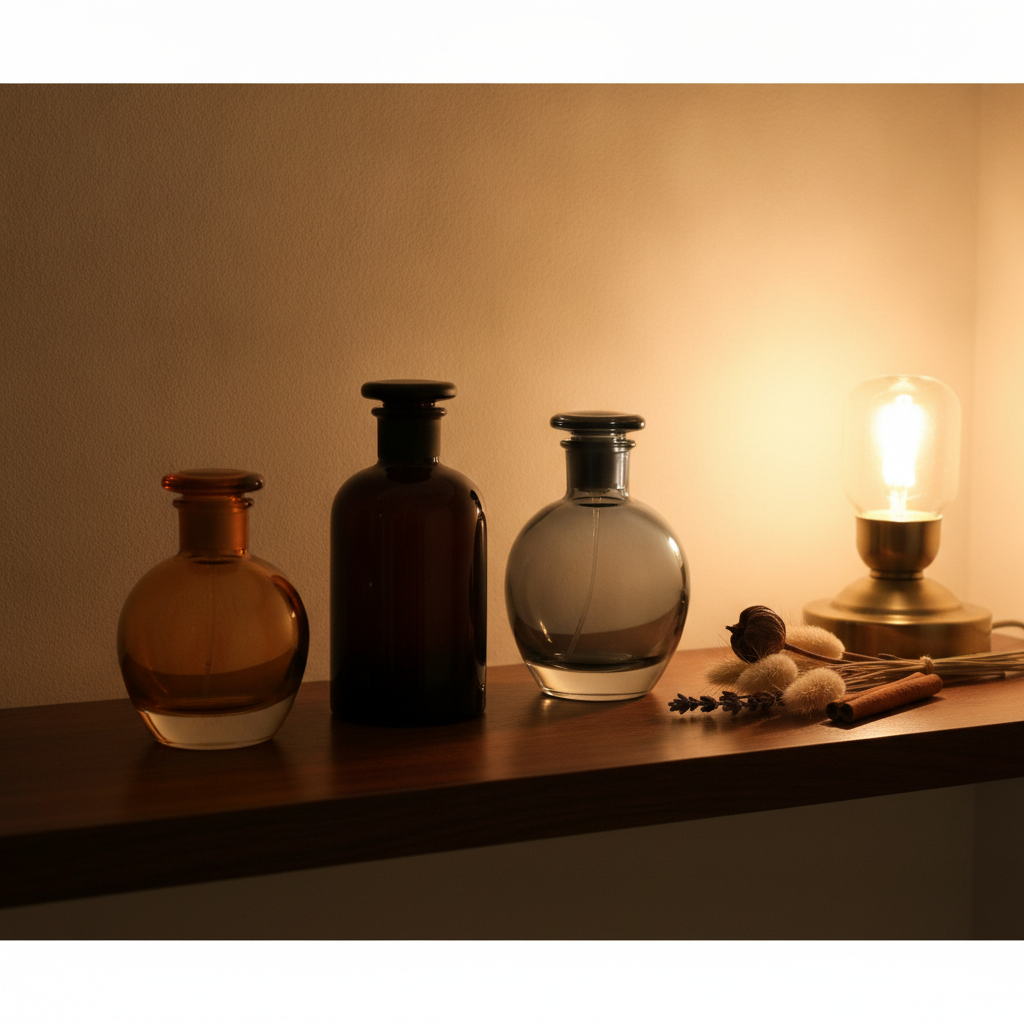
The rotation gets quieter, and that's worth tracking
Summer collections tend to be big. Options, variety, brightness. Winter tends to narrow. You find your three or four and you rotate tightly, sometimes reaching for the same bottle every day for weeks. That kind of steady, quiet loyalty is its own form of self-knowledge.
The Historian in TheScentStyler is built for exactly this: log what you wear each day through the dark season, and at the end of a week it builds a short written narrative of your scent life — what you reached for, what it suggests about where you were. It turns that quiet rotation into something you can actually look back at.
Last winter is still in those bottles. In whatever's half-empty on your shelf. In the smell that hits you when you finally open something you put away in March.
Pay attention to what you reach for as the light goes. It tends to tell you something true.
Keep reading The Drydown
The Drydown publishes a new piece most days. If you’d like them quietly delivered, leave your email — no noise, just the writing.
One email per new piece. Unsubscribe anytime.